
BENGALURU, Oct 8 (Reuters) – India’s consumer inflation likely accelerated in September, moving closer to the upper end of the Reserve Bank of India’s 2%-6% target range as higher energy costs compounded pressure from elevated food prices, a Reuters poll of economists showed.
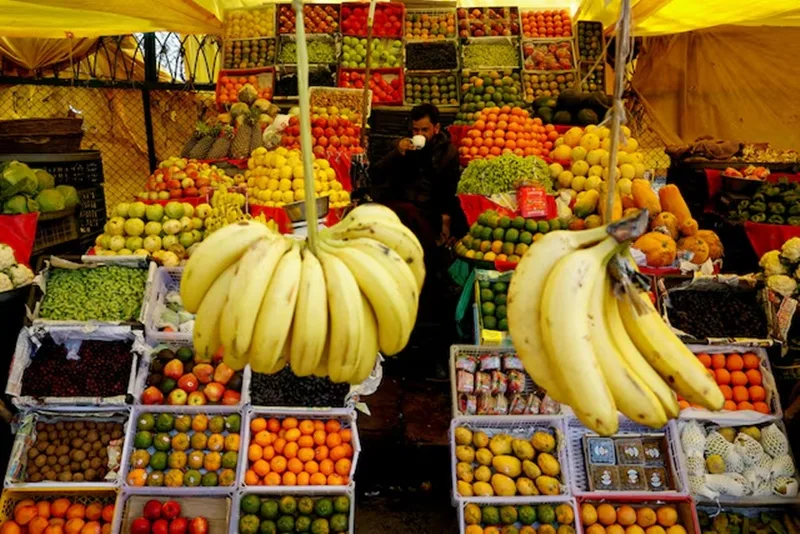
Rising crude oil prices and higher food costs are expected to have pushed inflation higher last month. Brent crude has climbed above $100 a barrel, while a deficient monsoon has driven up food prices. Food and beverages account for about 40% of India’s consumer price index basket.
Underscoring those inflationary risks, the RBI on Wednesday raised its key repo rate by 25 basis points to 5.50%, its first hike in nearly 4 years, and signalled the possibility of further policy tightening.
Consumer inflation, measured by the annual change in the Consumer Price Index (CPI) likely rose to 5.40% in September from 4.82% in August, according to the median forecast in an October 5-7 Reuters poll of 41 economists. Forecasts ranged from 4.90% to 5.90%.
If realised, this would mark the fourth consecutive month that inflation has remained above the RBI’s 4% medium-term target and the highest this year under the current series.
“I expect headline CPI to accelerate in September, and a large part of that rise is still food and beverage inflation. But we are also beginning to see clearer evidence of energy prices spilling over into other parts of the CPI, rather than just transport,” said Dhiraj Nim, an economist at ANZ.
“The only saving grace is that we are coming from a period of very subdued inflation.”

Core inflation, which strips out volatile components such as food and fuel, was expected to have risen to 4.3% in September. India’s statistics agency does not officially publish core inflation data.
Inflation based on the Wholesale Price Index (WPI) was also expected to edge up to 10.18% in September from 9.92% in August, the poll showed.
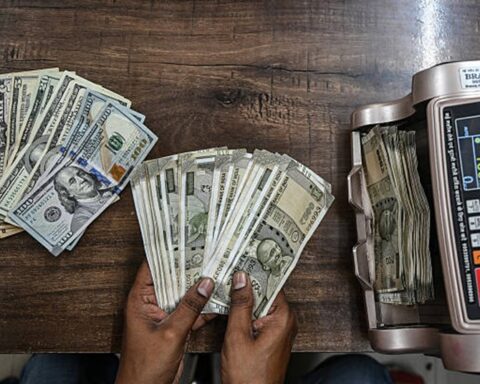
A weaker rupee , which has fallen around 7% against the dollar and is hovering near its all-time low, adds another layer of inflation risk for the import-reliant economy, according to a few economists.
“They (the RBI) still probably do not want to give that shocker to the world, saying that, okay, the rupee is a problem, so we are hiking,” said Anitha Rangan, chief economist at RBL Bank, who expects the RBI to raise rates again in December.
“Underlying price pressures are significant in the economy… they have to be more aggressive.”