

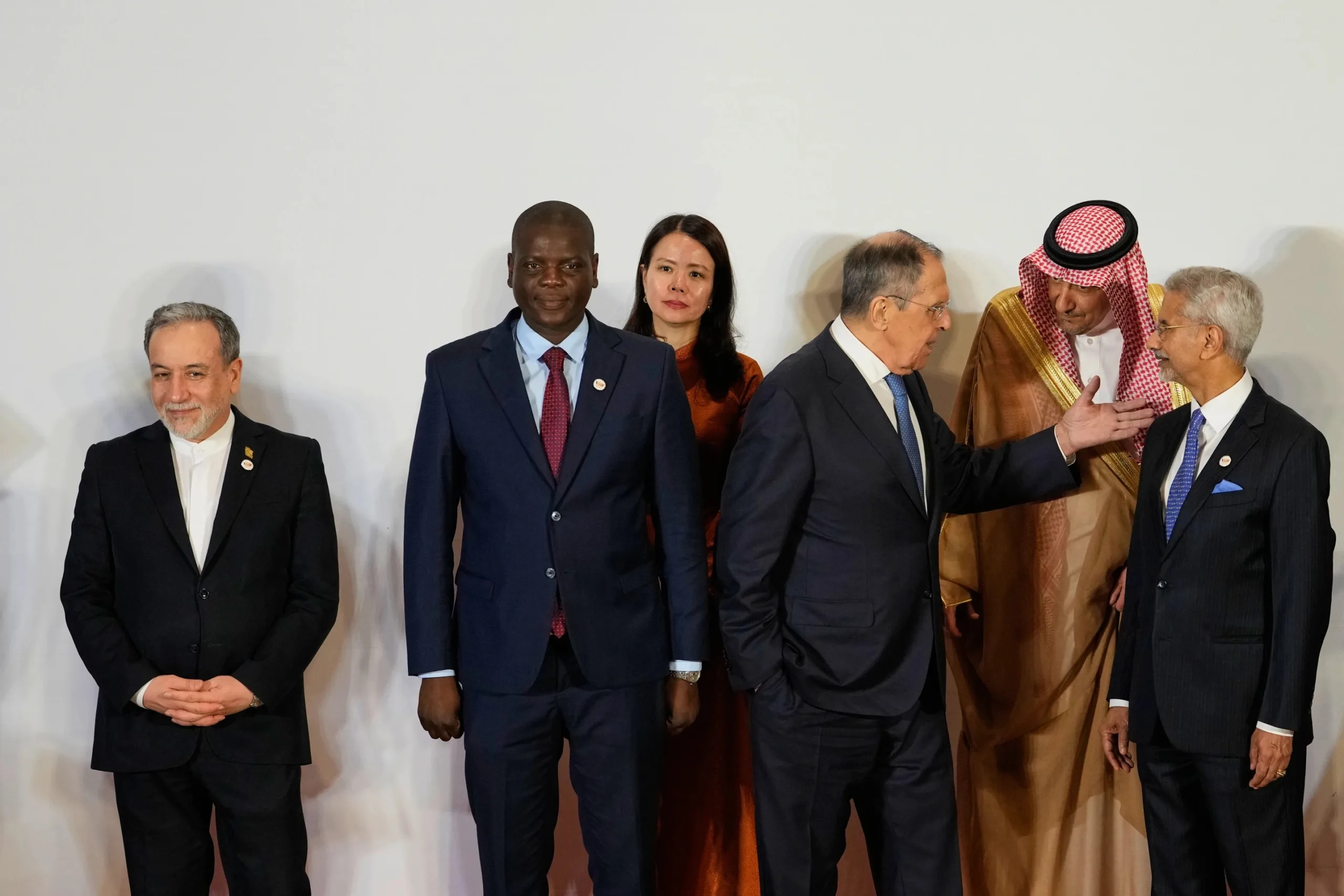
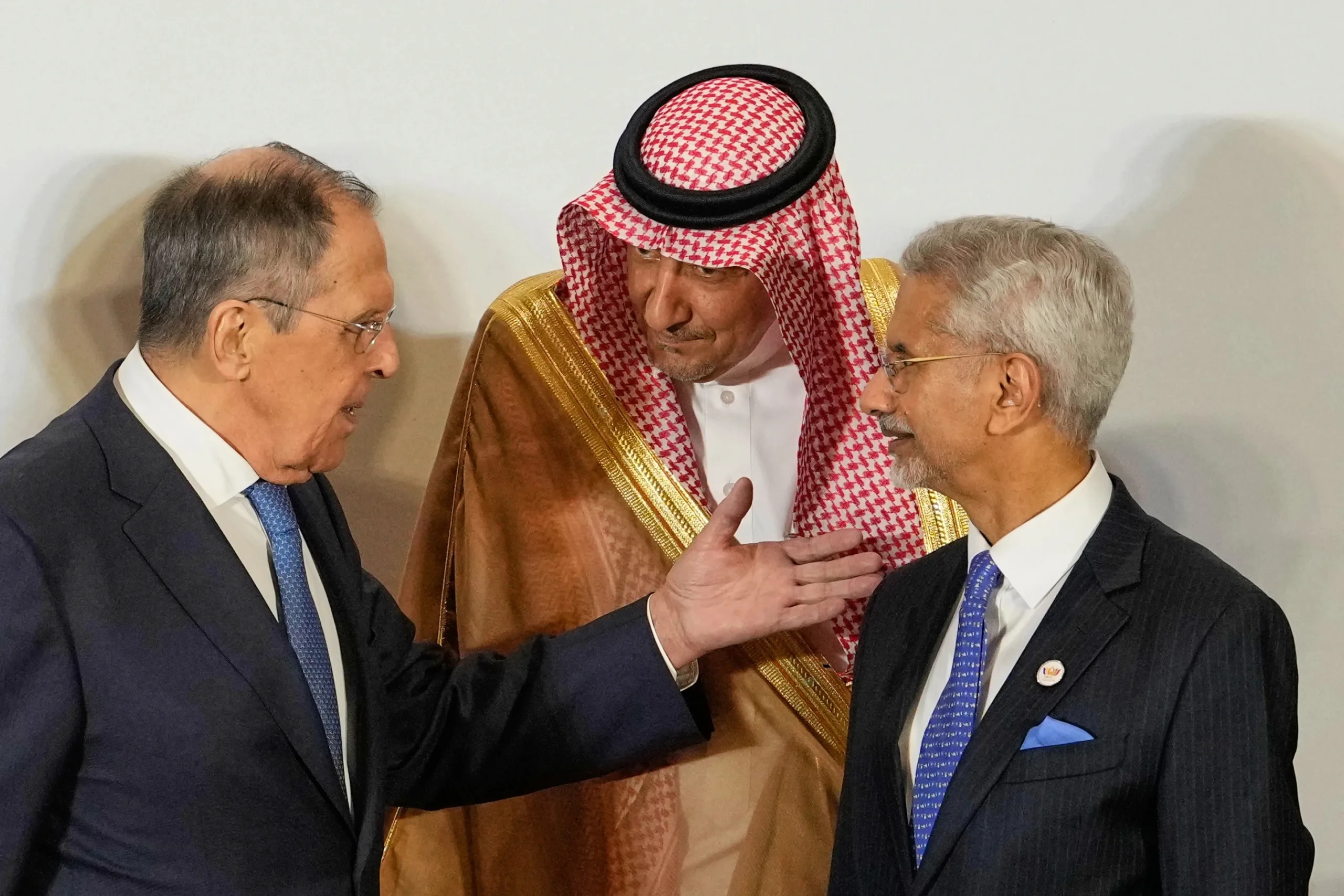
NEW DELHI, May 15, 2026 (AP) — A two-day meeting of foreign ministers from the BRICS nations concluded in New Delhi on Friday without a joint statement because of “differing views among some members” on the situation in the Middle East, host India said.
The differences highlighted the challenge of maintaining unity within the bloc as it seeks to expand its influence.
The Indian statement said members expressed “their respective national positions and shared a range of perspectives” on issues including sovereignty, maritime security and the protection of civilian infrastructure and civilian lives in the Middle East.
It also included a footnote saying that “a member had reservations” about parts of sections dealing with Gaza and security in the Red Sea and Bab al-Mandeb Strait.
BRICS includes Brazil, Russia, India, China, South Africa, Ethiopia, Egypt, Iran, the United Arab Emirates and Indonesia.
Divisions among member have become more visible during the Iran war, particularly between Iran and the UAE.
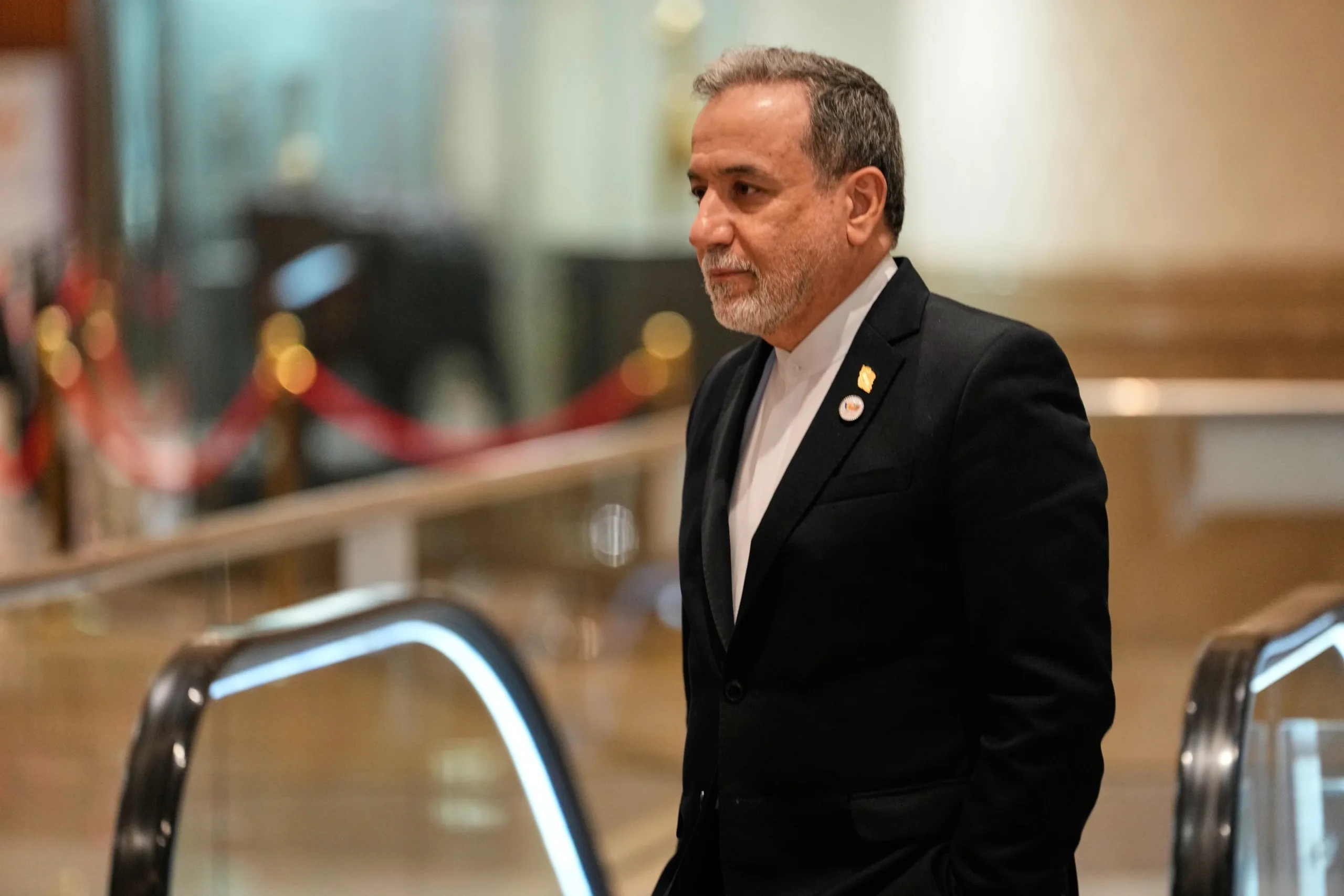
On Thursday, Iranian Foreign Minister Abbas Araghchi urged BRICS nations to condemn the U.S. and Israel over what he described as their “unlawful aggression.” He also called on member states to resist what he said was the politicization of international institutions.