

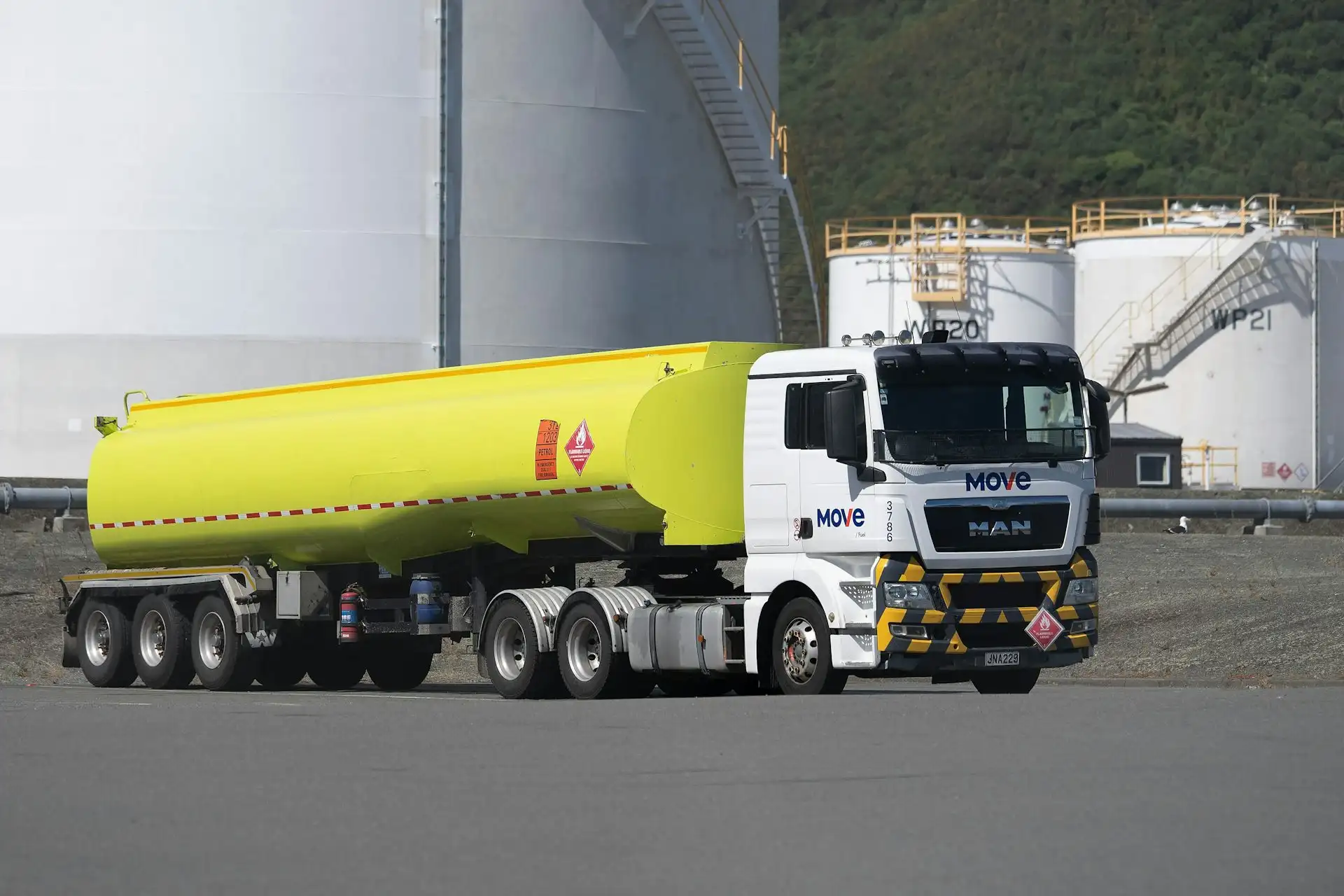
While the government works to reassure New Zealanders that fuel stocks are stable, the numbers tell an uncomfortable story: the country has about 27 days of onshore cover for petrol and 17 days of diesel.
Meanwhile, the Middle East crisis remains volatile, even after today’s announcement of a two-week ceasefire.
In a country that imports all of its refined petrol, diesel and jet fuel, petrol is above NZ$3 a litre and diesel has overtaken it for the first time in history.
Roughly 80% of New Zealand’s fuel supply originates from refineries in South Korea and Singapore, which rely heavily on the Strait of Hormuz for their crude oil.
It is one of the most serious energy disruptions the world has faced. And governments everywhere are responding accordingly, some capping fuel purchases and pulling the available levers to reduce how much fuel citizens burn each day.
The Australian states of Victoria and Tasmania have made public transport free, as has Pakistan. The International Energy Agency has urged governments to pursue rapid demand reduction through public transport, teleworking and promoting walking and cycling.
In contrast, New Zealand has offered a NZ$50-per-week tax credit for an estimated 143,000 working families to ease petrol costs. A phased fuel response plan remains at its lowest setting, encouraging the public to check their tyre pressure and consider public transport.
Reducing transport demand
As a country with one of the highest car ownership rates in the world and a transport system in which 82% of personal trips are made by private vehicle, New Zealand is more exposed to global oil disruption than virtually any developed nation.
And yet the government’s demand-side response is essentially non-existent. This is despite what we know works in an oil shock. In particular, public transport fare reductions can cut the number of car trips. In congested urban networks, the effect compounds.
New Zealand’s own transport cost modelling shows fuel consumption per car rises roughly 35% in stop-start traffic, so every vehicle removed from the road saves fuel for everyone still on it.
Lower speed limits reduce fuel consumption per kilometre. Fleet electrification displaces oil from the highest-mileage vehicles first.
This is all standard demand-side response to supply disruption, according to the International Energy Agency. But these strategies underpin climate change mitigation, too.
The Intergovernmental Panel on Climate Change’s transport recommendations identify the same “avoid, shift, improve” framework as being essential for both decarbonisation and energy resilience.
This report is given by The Conversation. The Sen Times holds no responsibility for its content.
How many days of fuel cover does New Zealand currently have?
How many days of fuel cover does New Zealand currently have?
New Zealand maintains approximately 27 days of petrol and 17 days of diesel in onshore reserves. As a nation that imports 100% of its refined fuel, these levels represent a critical vulnerability during the current maritime blockade in the Middle East.
What is the impact of the Middle East crisis on NZ fuel prices?
Tocal petrol prices have surged past NZ$3 per litre, with premium variants reaching $4 in some regions. For the first time in history, diesel prices have overtaken petrol, driven by global crude volatility and war-risk insurance surcharges on shipping routes
What are the phases of New Zealand’s Fuel Response Plan?
The government’s phased response is currently at its lowest setting, “Phase 1: Watchful,” focusing on stock monitoring and public information. Higher phases involve mandatory measures such as fuel rationing, speed limit reductions, and the prioritization of essential services during sustained supply disruptions.
How does the NZ government fuel tax credit support working families?
The government has implemented a NZ$50-per-week tax credit specifically for an estimated 143,000 low-to-middle-income working families. Administered through the existing “In-Work Tax Credit” (IWTC) framework, this payment aims to mitigate the “cost-of-living” crisis triggered by the surge in global oil prices.
How can “demand-side” strategies mitigate the energy crisis?
Technical modeling shows that removing vehicles from congested networks significantly reduces fuel waste; fuel consumption per car rises by 35% in stop-start traffic. Implementing strategies like lower speed limits and free public transport—as seen in Victoria and Pakistan—directly lowers a nation’s total oil demand.
Can lower speed limits effectively reduce New Zealand’s fuel consumption?
Various data claims that reducing open-road speed limits from 100 km/h to 90 km/h can lower fuel consumption by approximately 10% for most passenger vehicles. Technical modeling suggests that optimal cruising speeds for fuel efficiency are closer to 75 km/h, though 90 km/h is the current proposed trial limit
Why is the New Zealand transport system so vulnerable to oil disruptions?
New Zealand possesses one of the highest car ownership rates globally, with 82% of all personal trips made via private vehicles. This extreme “oil dependency” means any supply-side shock in the Middle East immediately paralyzes local mobility and increases the national “climate debt.