
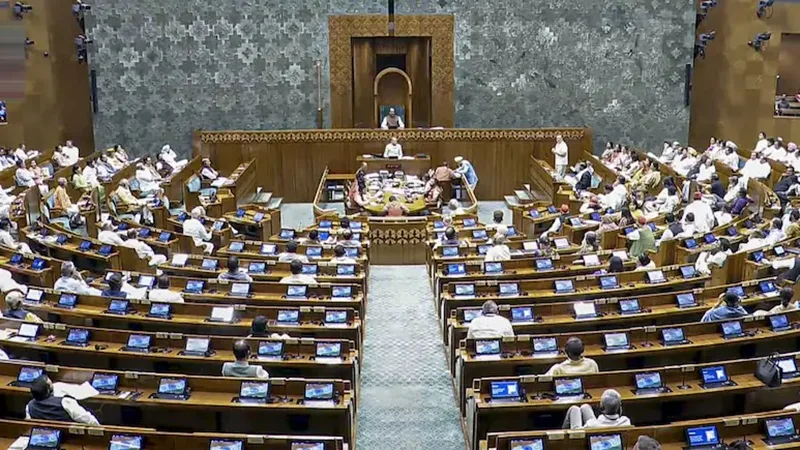
New Delhi, Apr 17 (NAI) The Delimitation Bill, 2026, failed to secure the required two-thirds majority in the Lok Sabha on Friday, dealing a setback to the Centre during the special session of Parliament after a marathon debate marked by sharp exchanges between the government and the Opposition.
The bill was put to vote following nearly 12 hours of discussion on a set of key legislations, including amendments linked to the women’s reservation framework. According to the final division, 298 members voted in favour and 230 against, falling short of the special majority required for passage of a constitutional amendment.
The proposed legislation sought to enable delimitation of Lok Sabha constituencies based on the 2011 Census and expand the total number of seats, while also linking it to the implementation of women’s reservation in Parliament.
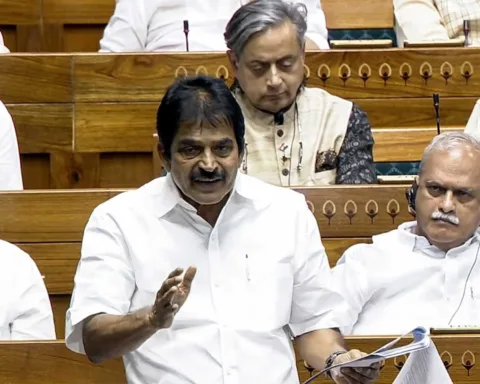
The debate saw the government strongly defending the move, with Union Home Minister Amit Shah arguing that delimitation was essential to ensure that every vote carried “equal value” and to rationalise representation across constituencies. He also dismissed concerns raised by opposition parties, asserting that the process would not reduce the relative share of southern states and would, in fact, increase seats across regions.
Shah further claimed that opposition to delimitation amounted to opposing an increase in representation for Scheduled Castes and Scheduled Tribes, drawing sharp rebuttals from rival parties.
Prime Minister Narendra Modi also appealed to Members of Parliament to support the bills, describing them as an opportunity to strengthen women’s representation and democratic equity.
However, the Opposition remained firmly opposed, raising concerns over the potential impact on southern states. Leaders from parties including the DMK and Congress argued that the proposed delimitation exercise could disproportionately favour northern states with higher population growth, thereby altering the federal balance.
Congress leader P Chidambaram had earlier predicted the bill’s defeat, while several opposition MPs alleged that the delimitation proposal was being pushed alongside the women’s reservation bill without adequate clarity.
The debate was marked by frequent disruptions and political sparring, with leaders trading barbs over issues ranging from representation and federalism to the timing and intent of the legislation.
With the bill failing to pass the Lok Sabha, the future course of the proposed delimitation exercise remains uncertain, even as the government indicated its broader intent to pursue electoral reforms and expansion of parliamentary representation.