

August 10, 2026 (Conversation) Shingles (herpes zoster) is often thought of as an older person’s disease.
But in the past two decades, we’ve seen a rise in reported cases of this viral disease – which causes a painful, blistering rash and nerve pain – among younger adults aged 25–49.
To what extent this represents a real rise in cases, or just increased reporting, is not clear. Some people with shingles may not even see a doctor.
Shingles is a reactivation of the virus that causes chickenpox (varicella zoster). After a chickenpox infection, the virus lies dormant in nerve tissue and can reactivate after many years. This can happen more than once.
Older people are more at risk, both of the virus reactivating and of developing severe illness and needing to be hospitalised.
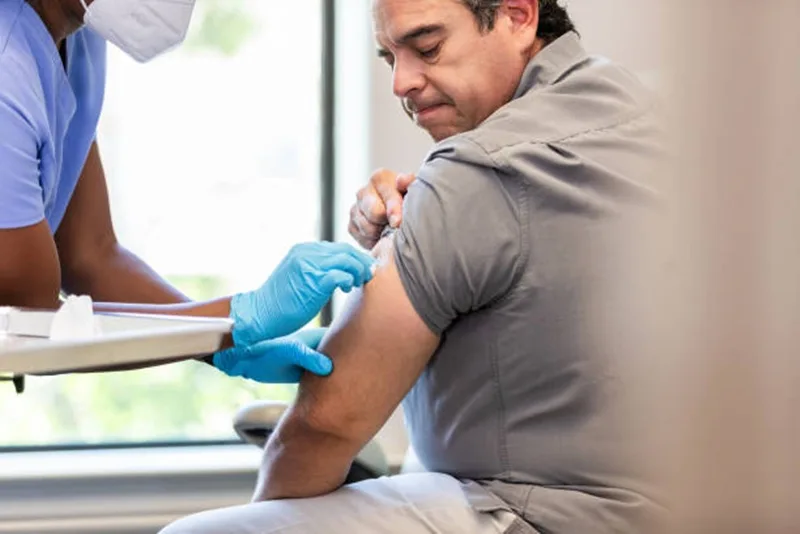
This is why those aged 65 and over are eligible for a free vaccine, as are other groups most at risk: Aboriginal and Torres Strait Islander people aged 50 and over, and immunocompromised people aged 18 and over.
For those who want the vaccine but aren’t eligible under the free program, the price tag for the two doses is around A$560. It’s recommended, but not free, for anyone aged 50 and over.
But with reported cases up in younger adults, should the free vaccine be expanded?
We asked five experts. Four said no, and one said yes.