
MUMBAI, June 5 (Reuters) – The RBI (Reserve Bank of India) on Friday kept its policy repo rate unchanged at 5.25%, opting to look past rupee weakness and assess the fallout from rising global energy costs on inflation and growth.
Nearly 80% of 56 economists polled by Reuters expected the RBI’s monetary policy committee to hold the repo rate.
All six members of the rate panel, which includes three RBI officials and three external appointees, voted to hold rates. The MPC decided to continue with its “neutral” stance.
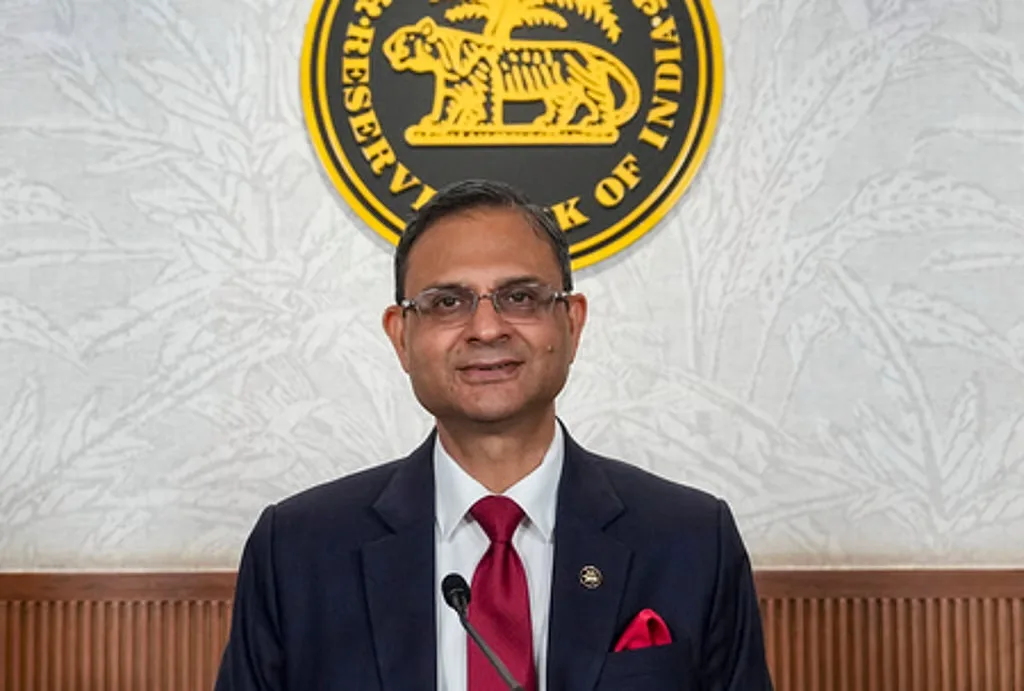
“The RBI’s rate panel noted that the global environment has deteriorated,” RBI Governor Sanjay Malhotra said while announcing the policy decision. The panel felt it was “prudent” to wait until greater clarity emerges, he said.
While inflation is expected to rise, underlying price pressures remain benign, Malhotra said. Second-round effects of the price pressure warrant vigil, he said.
India’s benchmark 10-year bond yield tipped slightly lower to 6.96%, after the RBI decision, while the rupee weakened a touch to 96.72 against the dollar. The benchmark equity indexes added marginally to early gains, and were up 0.2%.
A war-driven surge in crude prices and record foreign fund outflows have pushed the rupee down nearly 5% to historic lows since the Gulf conflict erupted late in February, fuelling calls from some analysts for higher rates to defend the currency.
Across the region, policymakers are already moving to shore up their currencies. Indonesia, the Philippines and Sri Lanka have raised interest rates in recent weeks, while South Korea has held fire but signalled a turn is imminent.

HIGHER INFLATION; LOWER GROWTH
The RBI updated its economic forecasts for the current financial year,
Average retail inflation for the year is now projected at 5.1% compared with 4.6% earlier.
The RBI expects core inflation at 4.7%, up from its earlier projection of 4.4%.
Retail inflation in India remains below target and is projected to stay within the RBI’s tolerance band in the current fiscal year, giving the RBI headroom to hold interest rates.
India targets retail inflation at 4%, and within a tolerance band of 2-6%.
GDP growth in the current financial year is now expected at 6.6%, below the 6.9% forecast in April. In the year ended March 31, 2026, India’s economy is expected to have grown 7.6%. Data is due later on Friday.
The global outlook and the prospect of a weak monsoon could add downside risks to growth, Malhotra said.
Economic growth has held up well so far with high-frequency indicators such as industrial output and the purchasing managers index showing steady momentum.