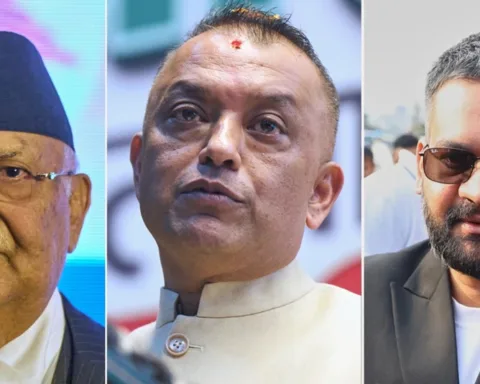

KATHMANDU, March 6 (Reuters) – The party of Nepali rapper-turned-politician Balendra Shah was ahead on Friday in more than two-thirds of seats where leads were available in general elections, outpacing rivals, including the former prime minister ousted in last year’s uprising.
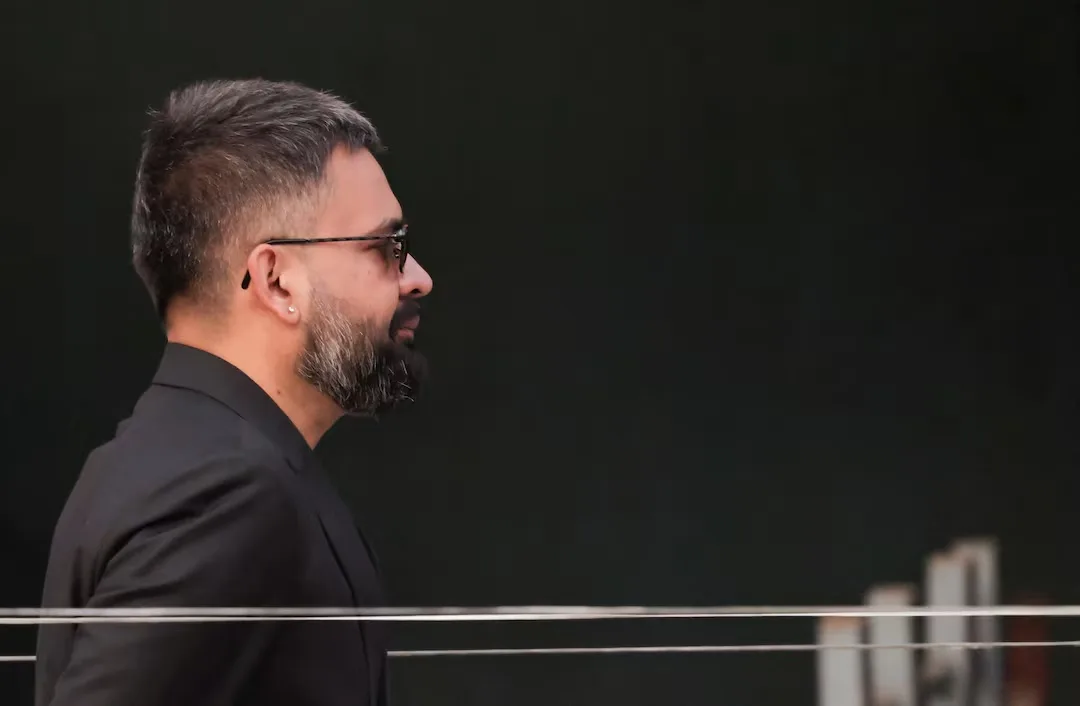
Shah, 35, the former mayor of Kathmandu, the capital, has dominated the race to become prime minister during the campaign, gaining near-rockstar like fame on social media across the Himalayan nation in the wake of the youth-led uprising.
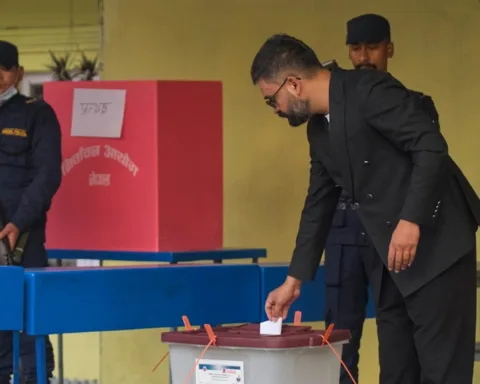
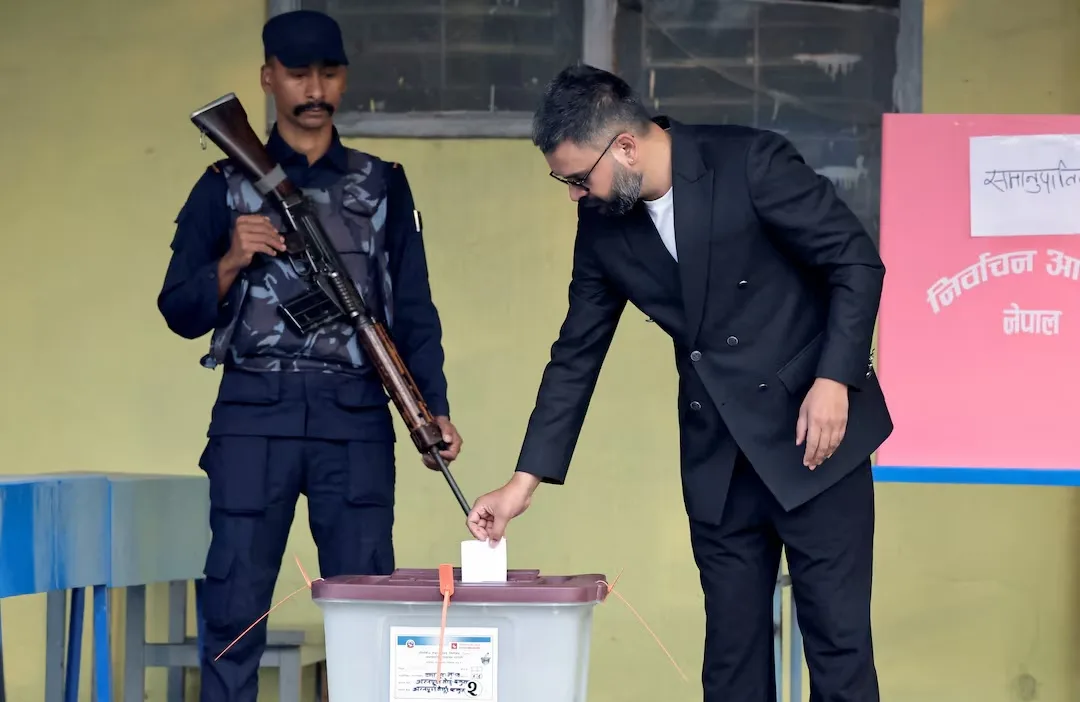
“I voted for Rastriya Swatantra Party because Balen is there,” said Deepak Adhikari, 33, after voting for Shah’s party in Kathmandu on Thursday, referring to the youthful leader by his popular name.
“I believe he will become prime minister and make the country prosperous.”
By noon on Friday his centrist Rastriya Swatantra Party, founded three years ago, was leading in 52 of the 65 seats for which leads were available.
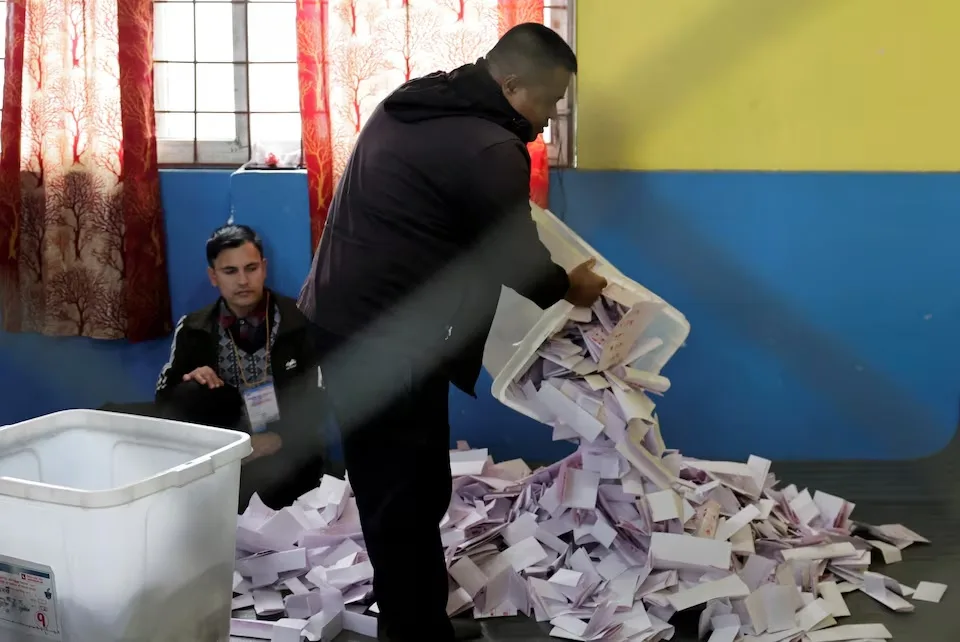
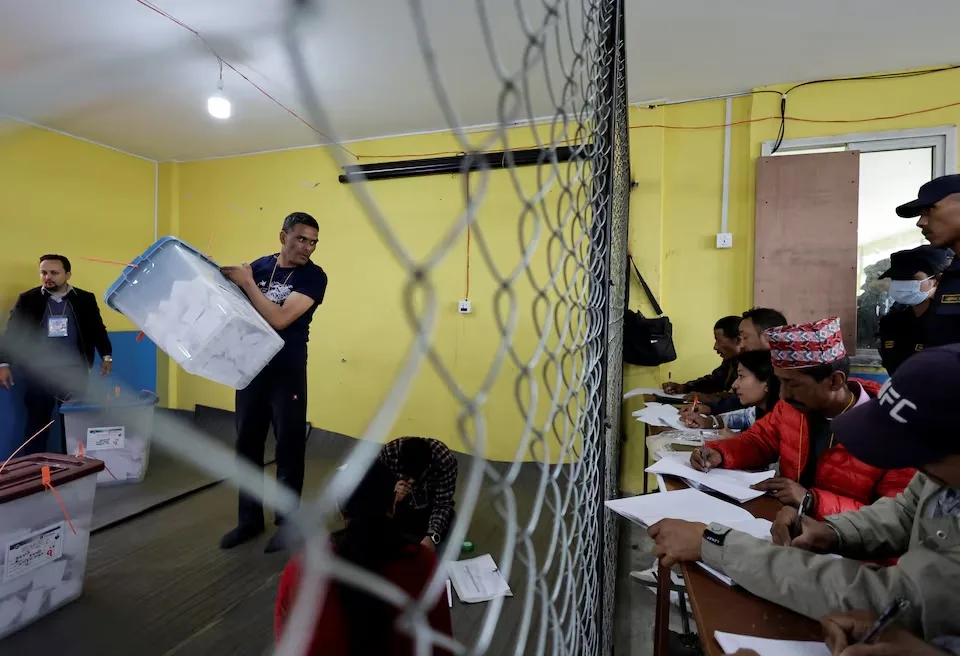
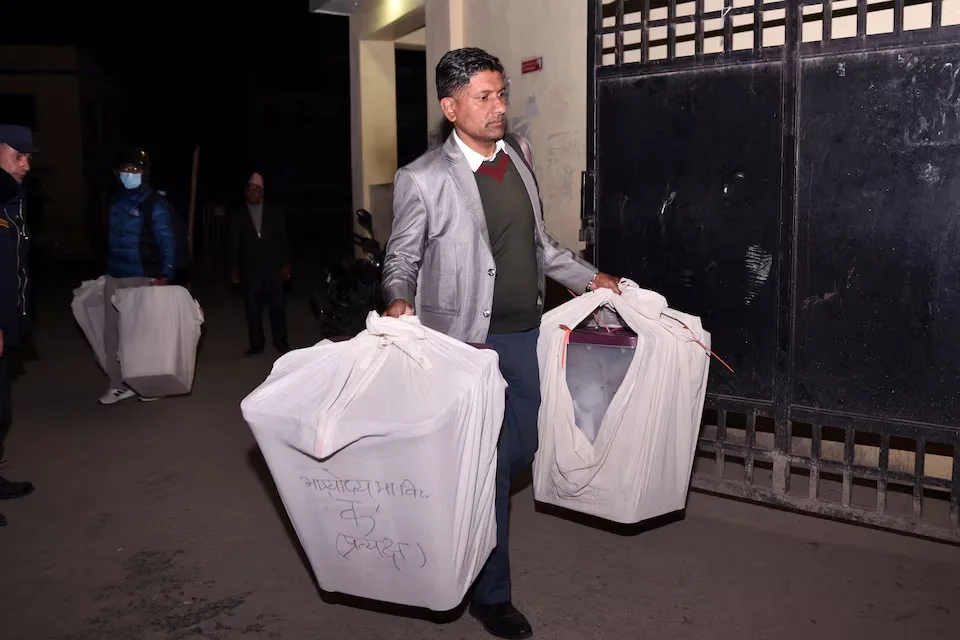
Vote counting was underway for 165 seats filled by direct election from a total of 275 in Nepal’s lower house of parliament, while the rest are to be decided by a system of proportional representation.
Trends showed former Prime Minister K P Sharma Oli’s Communist Party of Nepal (Unified Marxist-Leninist-UML) was leading in four, and the Nepal Congress, the country’s oldest party, was ahead in six.
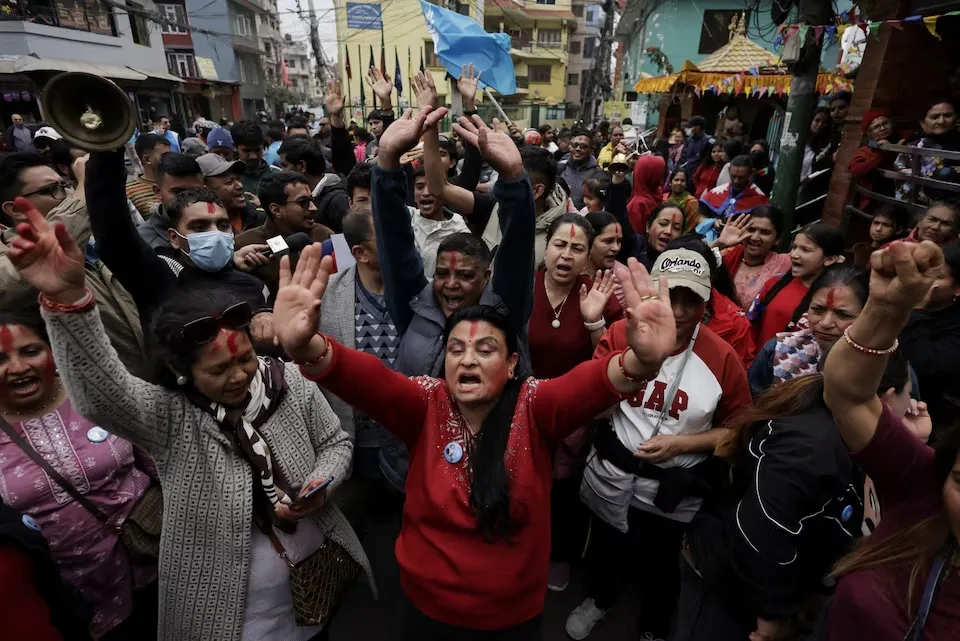
Shah, who drew huge crowds during his election campaign, was leading over Oli in the latter’s home constituency of Jhapa 5 near the Indian border.
Results for the direct elections are likely to be clear by Friday evening or Saturday, officials said.
If Shah is able to take power, it would cap a dramatic rise for a man who entered the public spotlight with rap music critical of the establishment and seeks to ride his popularity to high political office.
Political instability has plagued the nation of 30 million perched between China and India for decades, crippling a largely agrarian economy battling worsening unemployment and rampant corruption.
The long-festering malaise erupted into street protests last September, triggered by a social media ban that brought thousands on the streets, causing clashes and deaths that led to the resignation of Oli.