
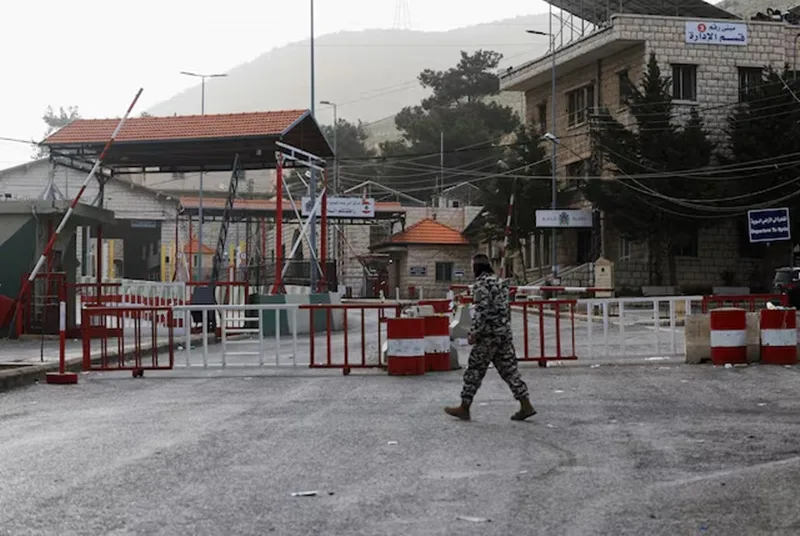
BEIRUT, April 7 (Reuters) – The Israeli military has refrained from striking a key border crossing between Syria and Lebanon after both pressed the U.S. on the need to keep it open, a Lebanese source familiar with the matter said on Tuesday.
The Israeli military on April 4 issued a warning for the Masnaa crossing, the main border point between Lebanon and Syria, saying it would strike it “in the near future” because Lebanese armed group Hezbollah was using it to smuggle weapons.
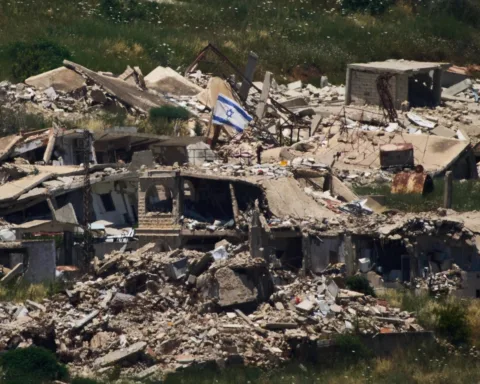
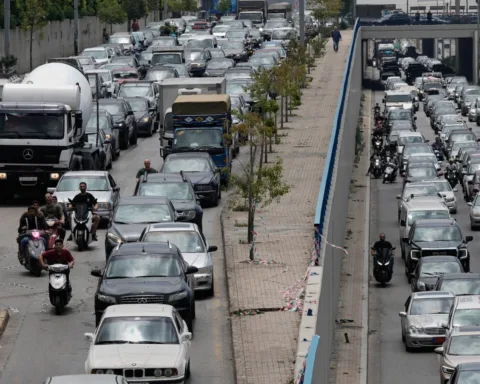
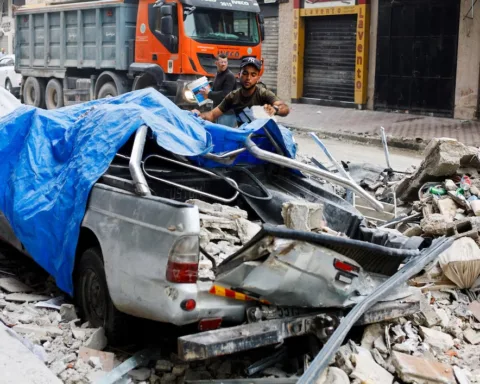
The crossing has been used by both Lebanese and Syrians fleeing the expanding war in Lebanon, where nearly 1,500 people have been killed by Israeli strikes and military operations since March 2. Hezbollah has launched rockets and drones into Israel and is fighting Israeli troops in southern Lebanon.
After Israel’s warning on Saturday, Syria’s border authority said Masnaa was not being used for any military purposes but that it would be closed temporarily to avoid any casualties from a future strike.
Lebanese border officials told Reuters on Sunday that talks were under way to try to spare the crossing.
The Lebanese source said on Tuesday that Lebanese Prime Minister Nawaf Salam had been working with Syrian counterparts, and had secured a U.S. guarantee that Masnaa would not be struck.
The border was still closed for the time being, the source said.
The Israeli military did not immediately respond to questions from Reuters on whether it would refrain from striking the Masnaa crossing as a result of Syrian-Lebanese efforts to mediate.
Israeli public broadcaster Kan had reported on Monday that the U.S. had asked Israel to suspend its attack on Masnaa, citing political reasons.
The Israeli military declined to comment on the Kan report. The U.S. embassy in Lebanon did not immediately respond to a request for comment.