

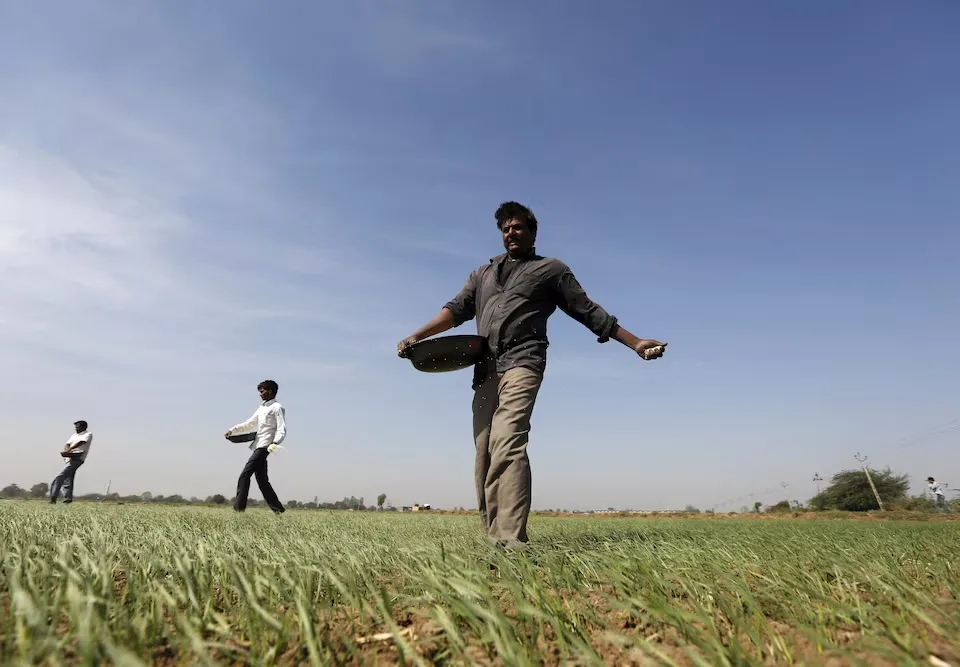

NEW DELHI, June 9 (Reuters) – India’s fertiliser ministry has sought to double its budgeted subsidy fund for the current fiscal year amid a global price rally, a government official said, as the South Asian nation increasingly counts the mounting cost of the Iran war.
India, where farming is a mainstay, imports fertilisers such as urea and DAP, as well as liquefied natural gas, a key feedstock for urea production.
The world’s third-largest oil importer and consumer also ships in about 90% of its oil and is one of the countries most-exposed to prolonged war-related disruptions to global energy supplies.
“Department of fertiliser has already asked for doubling of fertiliser subsidy with barely three months into the financial year. We are ramping up domestic capacity to reduce imports,” the official said, adding New Delhi did not expect global prices to come down.
The Indian government has also given support of 1.2 trillion rupees ($12.6 billion) to oil refiners and retailers for not hiking pump prices for the first 78 days of the war despite a rise in global prices, the official said.
Economists say sustained higher oil and fertiliser prices may drag on economic growth, inflation and government finances when the country is already bracing for an El Nino weather phenomenon that often portends drought.
Despite the unplanned spends, the government would not pull back on capital expenditure for the year, the official added, noting the administration did not see economic growth under stress yet due to strong domestic consumption.
Meanwhile, the government, along with central bank, has announced a host of measures to plug foreign fund outflows and defend the nation’s embattled currency.
The Indian government decision to scrap capital gains tax on foreign portfolio investments in government securities was aimed at helping India’s inclusion in Bloomberg’s Global Aggregate Index, the government official said.
Bloomberg Index Services had earlier this year deferred the inclusion of Indian bonds in its flagship Global Aggregate Index, disappointing some investors who had expected an inclusion.
($1 = 95.3500 Indian rupees)