

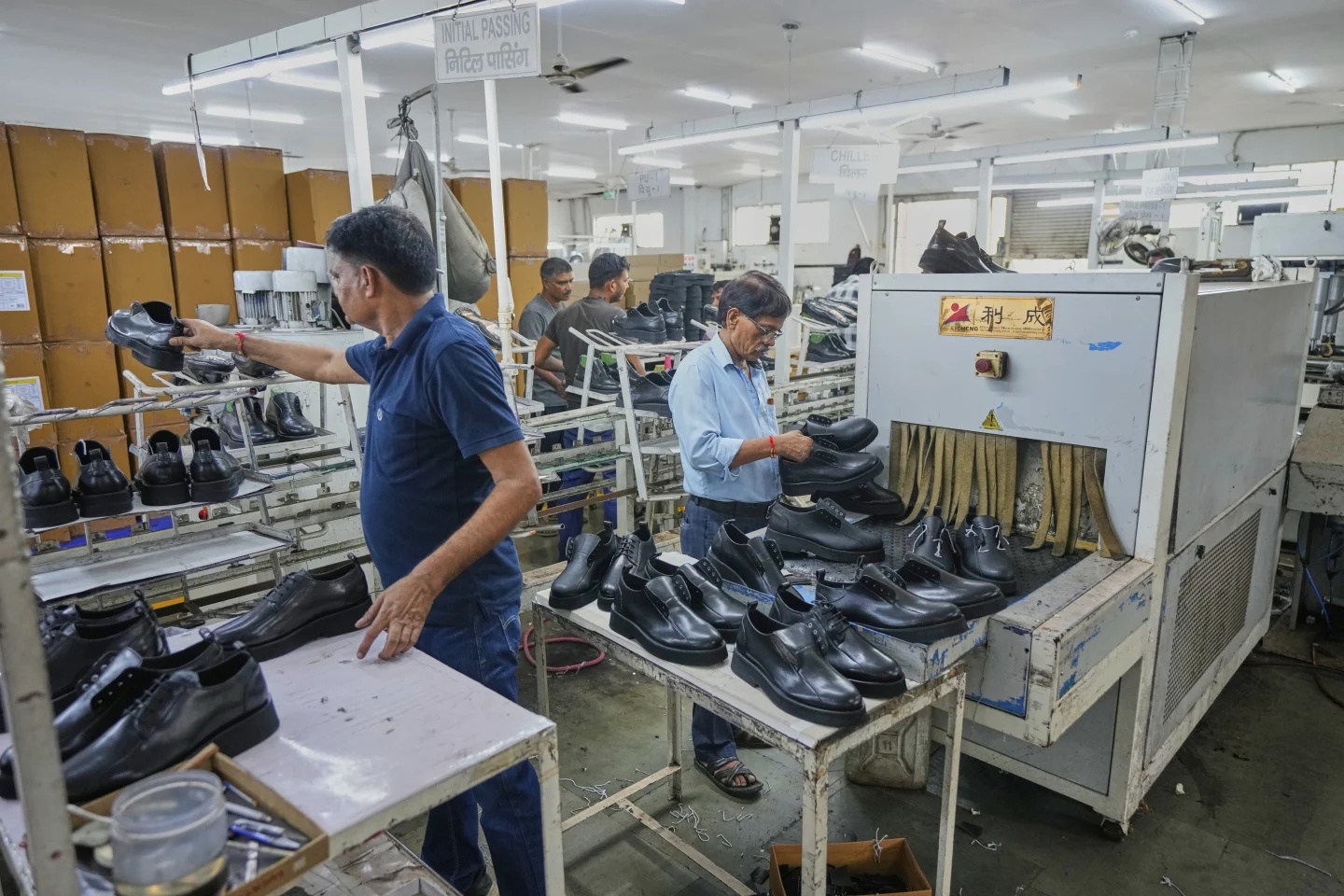
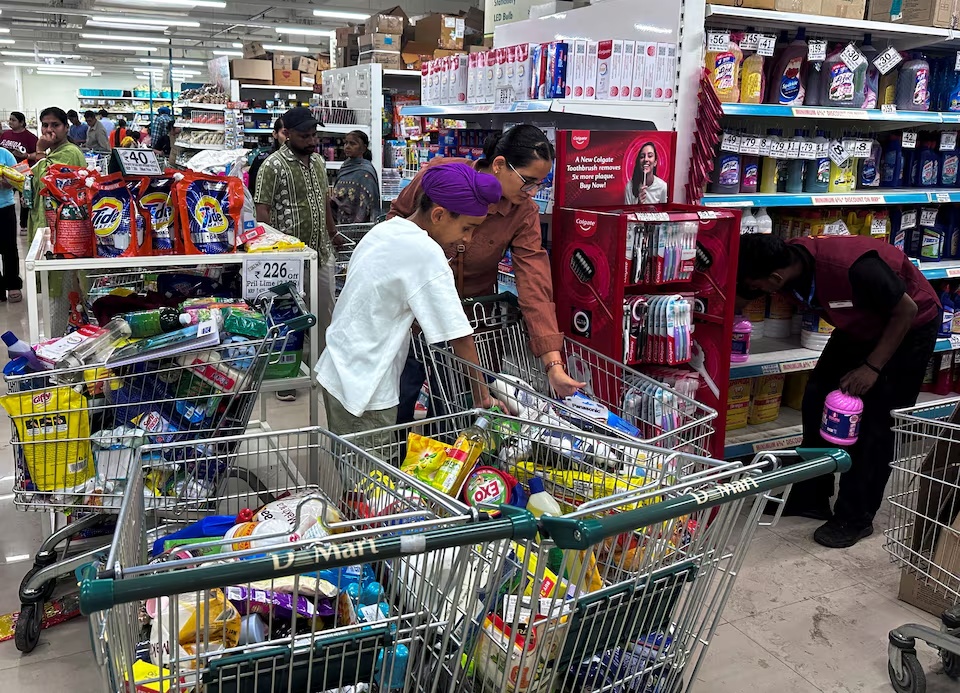

NEW DELHI, September 4, 2025 (AP) — India will cut GST (Goods and Services Tax) on hundreds of consumer goods ranging from air conditioners to small cars to bolster local consumption, its government said Wednesday, as New Delhi moves to cushion its economy from the blow of steep U.S. import tariffs.
The announcement comes after U.S. President Donald Trump introduced new tariffs last month that threaten a chunk of New Delhi’s outbound shipments to its world’s biggest market.
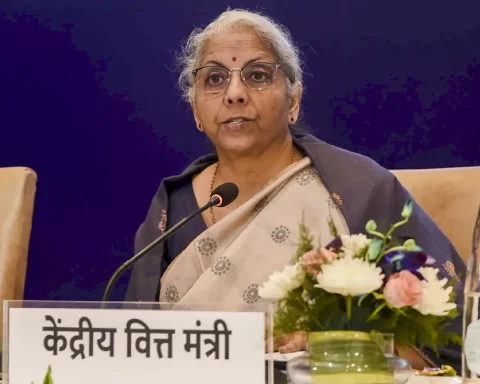
Finance Minister Nirmala Sitharaman told a news conference late Wednesday that the reduced goods and services tax have been approved by an all-powerful government panel. They will take effect on Sept. 22, the first day of a major Hindu festival that precedes the festival of lights, Diwali, in October.
The government’s latest overhaul cuts the GST tiers to a two-rate structure of 5% and 18% instead of the previous four tiers of 5%, 12%, 18% and 28%, according to the Finance Ministry.
A majority of the goods will attract lower GST, though a special rate of 40% is proposed on a select few items such as high-end cars, tobacco and cigarettes. No tax would apply on purchases of life and health insurance.
Reducing the GST is a part of Indian Prime Minister Narendra Modi’s broader plan to insulate the economy from the shock of U.S. tariffs, expected to hit an estimated $48.2 billion worth of Indian exports.
“The wide-ranging reforms will improve lives of our citizens and ensure ease of doing business for all, especially small traders and businesses,” Modi said in a post on the social platform X.
During my Independence Day Speech, I had spoken about our intention to bring the Next-Generation reforms in GST.
The Union Government had prepared a detailed proposal for broad-based GST rate rationalisation and process reforms, aimed at ease of living for the common man and…
— Narendra Modi (@narendramodi) September 3, 2025
Trump last month imposed an additional 25% tariff on Indian goods in response to its unabated purchase of Russian oil, bringing the total tariffs to 50% and straining ties between the world’s two biggest democracies.
India–U.S. trade relations have expanded in recent years but remain vulnerable to disputes over market access and domestic political pressures. Officials have warned the new duties could make shipments to the U.S. commercially unviable, triggering job losses and slower economic growth.
To cushion the impact, India is also working on expanding its exports to other world markets such as Europe, Latin America, Africa and Southeast Asia.
Trade negotiations underway with the European Union have gained renewed urgency as India works to reduce its dependence on the U.S. market. The government is also discussing financial incentives that would include favorable bank loan rates for exporters.
What gets cheaper from September 22?
Daily Essentials
- Ultra High Temperature (UHT) milk, Indian breads, which was taxed at 5%, will no longer be taxed.
- Other dairy products like condensed milk, butter, ghee, cheese will now fall under the 5% tax bracket, instead of 12%.
- Hair oil, toothpaste, toilet soap bar, toothbrush and shaving cream will now see a cut from 18% to 5%.
- Popular items like almonds, cashews, pistachios, hazelnuts, and dates will now be taxed at only 5%, instead of 12%.
- Utensils, feeding bottles, napkins for babies and clinical diapers, sewing machines and parts will see a cut from 12% to 5%.
- Refined sugar, syrups, and confectionery products like toffees and candies have been shifted to the 5% category.
- Vegetable oils, animal fats, spreads, sausages, meat and fish products, and foods made with malt extract will also attract only 5% GST.
- Namkeens, bhujia, mixtures, and other ready-to-eat savoury snacks will see a drop in tax from 12% to 5%.
- Mineral water, aerated water, and other packaged waters without added sugar or flavours will now be taxed at 5%.
Agriculture and Fertilisers
Fertilisers will now be taxed at 5%, instead of 12–18%. While tractor tyres and parts will see a cut from 18% to 5%, tractors will come under 5%, down from earlier 12% rate. IN fact, specified bio pesticides, micro nutrients , drip irrigation systems and sprinklers, and agricultural, horticultural or forestry machines used for soil preparation, cultivation, harvesting and threshing, will be down from 12% to 5%.
Healthcare and Education
Thermometers and individual health and life insurance have been shifted from 18% tax rate to 5% and nil, respectively. Things like medical grade oxygen, diagnostic kits and reagents, glucometer and test strips and corrective spectacles, are now down to 5%, instead of 12%.
Goods for education like maps, charts, globes, pencils, shrpners, crayons, pastels, exercise books and notebooks, eraser were earlier taxed 12%, but now they have all ben brought down to ‘nil’.
Electronic appliances
Air conditioners, television (above 32 inch) including LED and LCD Tvs, monitors, projectors and dish washing machines will see a cut from 28% to 18%.
Automobiles
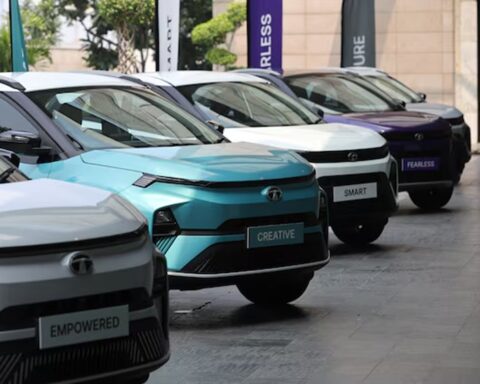
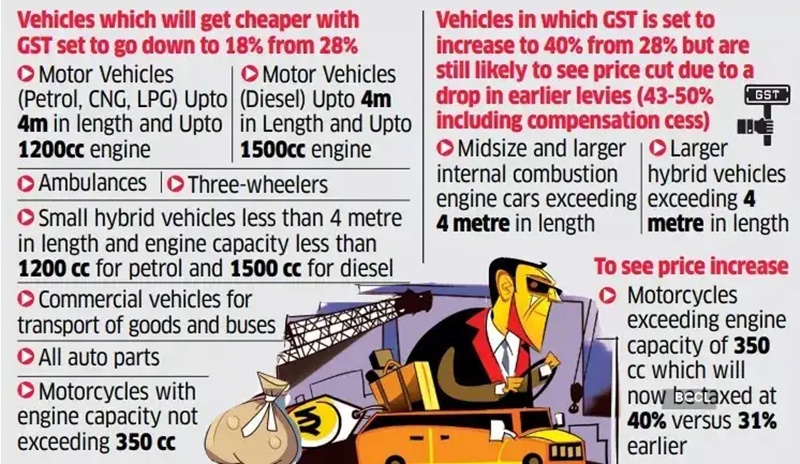
Petrol and petrol hybrid cars, LPG, CNG cars (that are not exceeding 1200 cc and 400 mm) will also see a cut from 28% to 18%.
Other Sectors
Renewable energy devices, construction materials, sports goods, toys, leather products, wood items, and handicrafts will now all fall under the 5% GST slab, down from 12%.
What gets costlier from September 22?
Even though many goods are getting cheaper, some products will continue to face high taxes.
Sin goods:
- Products like pan masala, gutkha, cigarettes, chewing tobacco, zarda, raw tobacco, and bidis will stay under the same steep GST rates, along with an extra cess. This will continue until the government clears loans linked to the cess.
- Also, these items will now be taxed based on their Retail Sale Price (RSP) instead of the transaction value, making the rules stricter for compliance.
- All sweetened or flavoured drinks, including aerated waters, will now face a higher GST of 40%, up from 28%.