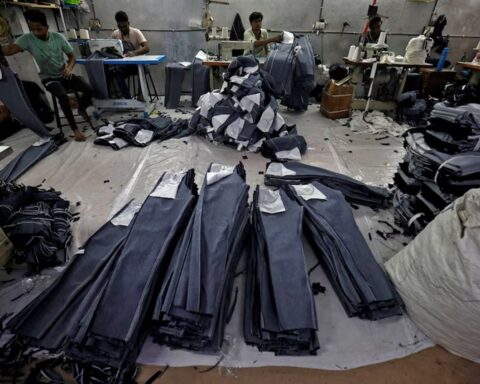

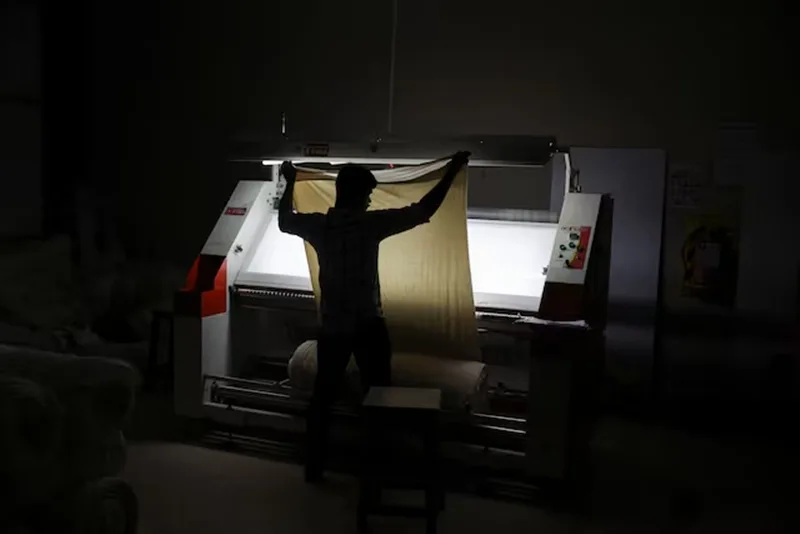
NEW DELHI, June 10 (Reuters) – India does not have surplus manufacturing capacity in textiles and steel as alleged in the U.S. Trade Representative’s Section 301 investigation, trade official Amitabh Kumar said on Wednesday.
Washington has cited structural excess capacity in Indian industries from solar modules and petrochemicals to steel and textiles, as well as its 2025 goods trade surplus of $42 billion with the United States.
Kumar, India’s additional trade secretary, said its textile and steel output should be assessed against the size of its population, domestic demand and growth needs, rather than in terms of absolute production.
“Overcapacity is a country’s perspective. We don’t think we have overcapacity in anything,” Kumar said.
India’s consumption of textile products per person was very low, he added, particularly of man-made fibre and technical items.
“This country has a hot climate, tropical climate. We wear cotton. How do we have overcapacity?”
Kumar also rejected U.S. concerns over steel, saying India’s production reflected its development requirements.
“India’s per capita steel consumption is among the lowest,” he said, adding that output in the world’s second-largest producer of the building material remains low relative to its population and growth needs.
Trade analysts say Washington is using the threat of Section 301 tariffs over alleged overcapacity and forced labour to press India to open its markets for agricultural and other products, as well as buy more U.S. energy and defence products.
New Delhi is pushing for a trade deal with the United States that includes preferential tariffs versus competitors, but the talks have been clouded by uncertainty over the U.S. investigations against India.
The office of the USTR launched investigations in March against India among 16 countries over policies such as subsidies, state financing and industrial planning that let factories keep producing even when not supported by market conditions.
This month the U.S. proposed an additional tariff of 12.5% on imports from India and other countries, citing their use of forced labour, though India has said these are not final, as New Delhi engages with Washington in the Section 301 process.
The USTR is also considering a separate tariff on India, alleging excess capacity in sectors such as textiles and saying exports are hurting U.S. industry.
Kumar said the move appeared aimed at a “particular country while also serving other trade-related aims”.
Last week, Trade Minister Piyush Goyal said both sides were moving swiftly toward finalising the first tranche of a trade agreement, possibly by mid-July.