
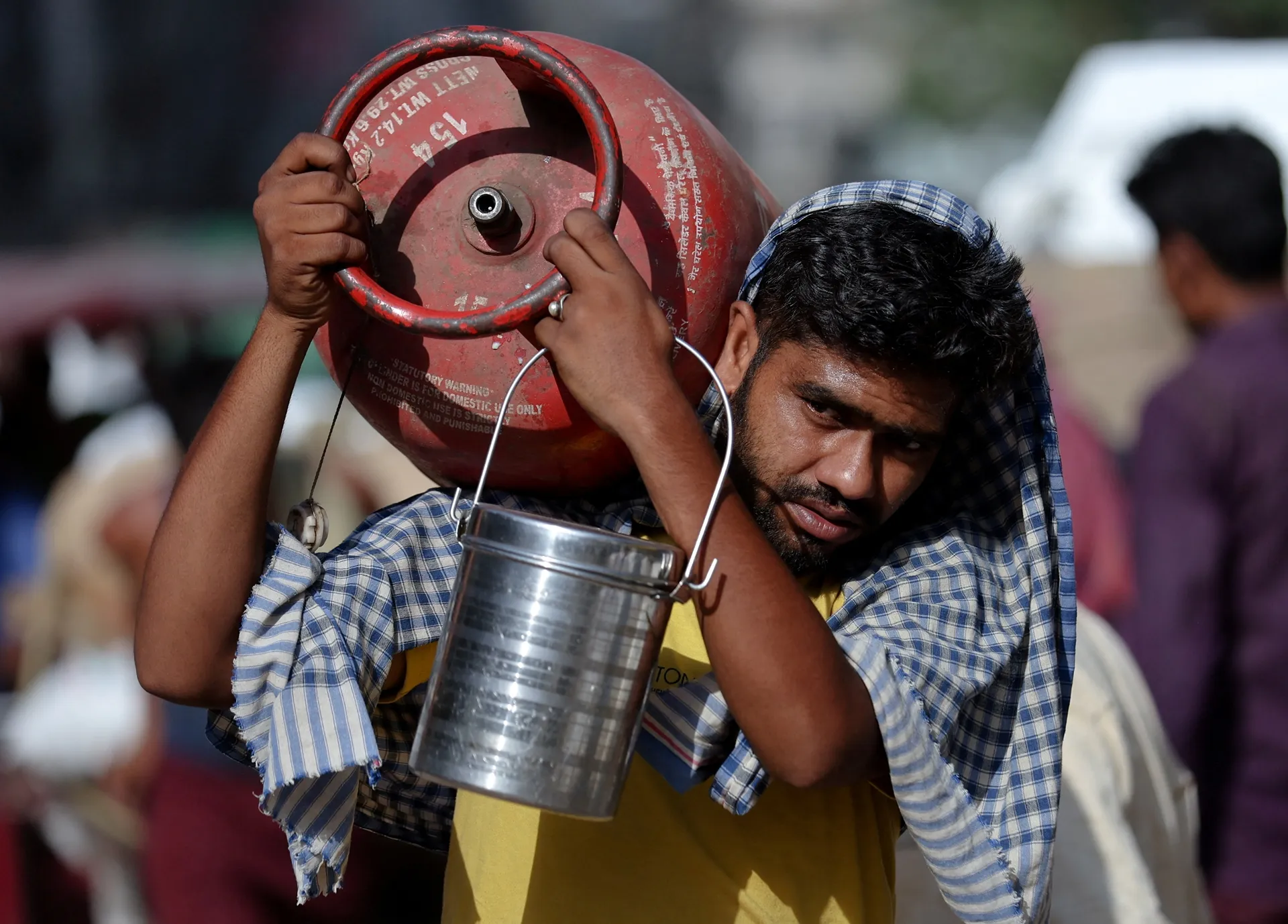
New Delhi, April 2 (Reuters): India is using a cooking gas crisis triggered by the Iran war to plug leaks in its local distribution chain and strengthen infrastructure to expedite a shift towards piped gas as it looks to reduce liquefied petroleum gas imports and spending on subsidies.
The government has invoked emergency powers to ensure that limited LPG supplies are directed toward actual household use and will halt supplies after three months for customers linked to piped gas connections.
Last month, India issued an order setting timelines for new pipeline approvals, with permissions deemed granted if authorities fail to respond in time, while requiring landowners and local authorities to allow pipeline access.
“Witness rapid expansion of CGD (city gas distribution) network across the country … a crisis turned into an opportunity, “, said Neeraj Mittal, the secretary of the Ministry of Petroleum and Natural Gas, on social media.
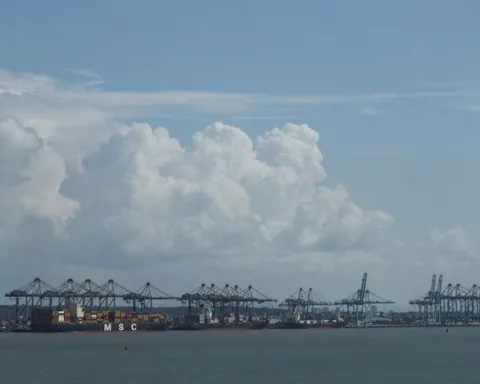
In March, India added 580,000 new households to its piped gas supply network, the government said on Tuesday, compared with 342,300 a year earlier. India is the world’s No. 2 importer of LPG, meeting about 60% of its needs with overseas purchases. It shipped in about 22 million metric tons of LPG in 2025, mostly from the Middle East, spending nearly $12 billion.
LPG DISRUPTION EXPOSES IMPORT DEPENDENCE
The world’s most populous country has been hit hard by LPG supply disruptions, exposing vulnerabilities in its import-dependent energy system and prompting officials to take steps to manage supply and demand.
India’s LPG imports could decline by about 10% to 15% by 2030 due to the measures, including the expansion of piped gas, said Prashant Vashist of credit-rating agency ICRA. India satisfies half of its natural gas consumption with imports of liquefied natural gas.
“This (shift to natural gas) would cut the companies’ revenue losses on the sale of domestic LPG and would also reduce the subsidy burden,” he said.
Shifting consumers to piped gas, which is sold closer to market rates, would help contain fiscal pressures while improving supply efficiency.
Retailers sell LPG to commercial users at market prices, while selling cooking fuel to households at subsidised rates that are about 56% cheaper. Last year, a limited compensation to retailers cost the government $3.4 billion.
Since the start of the war, suppliers including Indraprastha Gas (IGAS.NS), , Mahanagar Gas (MGAS.NS), , GAIL Gas and Bharat Petroleum Corp (BPCL.NS), have offered incentives such as reductions in installation charges for piped gas connections.
India has 333.7 million household LPG customers including 106 million low-income families receiving subsidised gas.
Local gas suppliers have been connecting about 2 million to 2.5 million consumers annually, bringing the total to 16.3 million at the end of December.
The recent policy changes should raise that pace to about 7.5 million connections annually, said Gajendra Singh, former member of the Petroleum and Natural Gas Regulatory Board, bringing the national total to 35 million to 40 million by 2030.
“This expansion would cut LPG imports and offer a safer, more convenient alternative for households,” he said.
This report is given by Reuters. The Sen Times holds no responsibility for its content.
Table of Contents
FAQs
How is the Iran-Israel war affecting India’s cooking gas supply and LPG imports?
The ongoing conflict in the Middle East has triggered a severe cooking gas crisis, exposing India’s vulnerability as the world’s second-largest importer of LPG. Research shows that India currently imports approximately 60% of its LPG needs—amounting to 22 million metric tons in 2025—spending nearly $12 billion annually, primarily on shipments from Middle Eastern suppliers now disrupted by regional instability.
Why is the Indian government mandating a shift from LPG cylinders to piped natural gas?
The government is mandating the transition to piped natural gas (PNG) to reduce massive subsidy spending and eliminate leaks in the local distribution chain. Under new emergency directives, the Ministry of Petroleum and Natural Gas will halt LPG cylinder supplies within three months for any household already linked to a functional piped gas connection.
How does the expansion of the City Gas Distribution (CGD) network benefit Indian households?
The rapid expansion of the City Gas Distribution (CGD) network offers a safer, more convenient, and more efficient alternative to traditional pressurized cylinders. In March 2026 alone, India added 580,000 new households to the piped network, a significant increase from the 342,300 added during the same period last year.
Should low-income families expect changes to their subsidized gas connections?
Low-income families, particularly the 106 million households receiving subsidized fuel, remain a priority for supply, but are increasingly being targeted for piped gas migration to ensure long-term sustainability. While the government is plugging leaks in the distribution chain, the ultimate goal is to move all 333.7 million LPG customers toward a network that requires less reliance on volatile overseas purchases.
How is India accelerating the City Gas Distribution (CGD) network expansion?
The Indian government has fast-tracked CGD expansion by setting strict timelines for pipeline approvals and mandating access through private and local authority land. Under recent orders, if authorities fail to respond to a pipeline request within the specified period, permission is “deemed granted,” allowing the Ministry of Petroleum and Natural Gas to bypass traditional bureaucratic delays.
What are the financial benefits of shifting from LPG to piped natural gas?
Shifting to piped gas reduces the federal subsidy burden and cuts revenue losses for state-run oil marketing companies by selling fuel closer to market rates. Unlike domestic LPG, which is sold to households at 56% below market price, piped gas improves fiscal pressure and helps recover some of the $3.4 billion spent annually on retailer compensation.
How are gas suppliers incentivizing households to switch to piped connections?
Major suppliers like Indraprastha Gas (IGL), GAIL Gas, and Bharat Petroleum (BPCL) are offering significant reductions in installation charges to encourage immediate consumer migration. These incentives are designed to capitalize on the current LPG shortage, turning a wartime supply crisis into a long-term infrastructure opportunity for urban households.
How does the Iran-Israel war expose India’s energy import vulnerabilities?
The conflict has highlighted India’s high dependence on Middle Eastern energy, as the country currently imports 60% of its LPG and 50% of its natural gas. With nearly $12 billion spent on LPG imports in 2025 alone, regional maritime disruptions have forced India to invoke emergency powers to manage domestic supply and demand.