

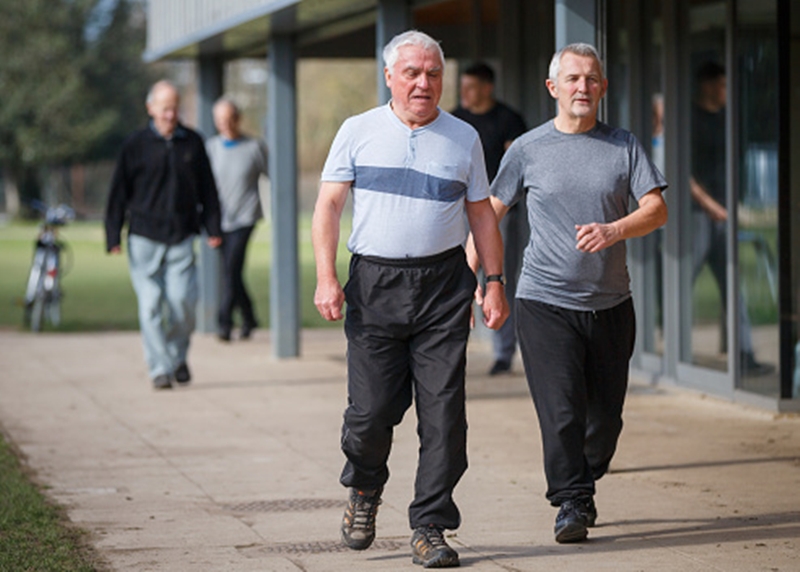
If you’re experiencing joint pain in the knees, the solution might be to walk it off.
Exercise can reduce pain, improve movement and enhance quality of life for patients with knee osteoarthritis, according to a study published October 15 in the journal The BMJ.
Around 1 in 2 adults aged 65 and above, are affected by some type of arthritis in India. The most common form is osteoarthritis.
“Osteoarthritis is wear and tear of cartilage, or the covering at the end of bones, which leads to pain, stiffness and decreased joint function,” said Dr. Antonia F. Chen, chair and professor of orthopedic surgery at the University of Texas Southwestern Medical Center. She was not involved in the study.
“Around 9.36% of Indian adults aged 45 and older have arthritis, according to a study from researchgate.net, and 47% people are affected by osteoarthritis in India.”
Some causes of osteoarthritis include injury, preexisting joint disease, specific metabolic diseases such as obesity or type 2 diabetes, and genetics.
Osteoarthritis is a leading cause of chronic disability, and one of the most commonly affected joints is the knee. While knee osteoarthritis isn’t reversible, there are ways to reduce pain.
Aerobic exercise consistently showed the greatest benefits across almost all outcomes. It reduced pain, improved movement and gait performance, and enhanced overall quality of life more effectively than any other exercise type.
Aerobic exercises are rhythmic and repetitive movements, such as walking, jogging, cycling and swimming.
How to exercise safely with joint pain
Aerobic exercises to help nourish the joints, they strengthen supporting muscles, and they reduce pain.
Patients with knee osteoarthritis should be do to low to moderate-impact aerobic activity. This is not high-impact aerobic activity, and people with knee osteoarthritis should definitely avoid running or plyometrics, like jump training.
You don’t have to aim immediately for 10,000 steps a day or 150 minutes of exercise a week, which are both common recommendations for exercise.
For patients just starting to exercise, walking or cycling for five to 10 minutes a day can help you get started in receiving those benefits and restrengthening the muscles around your joints.
But before starting any movement, you should properly warm up.
You can start by mobilizing of your ankles and your hips with stretches, such as ankle circles or simple hip mobility stretches.
Being conscious of your body during these exercises and pacing yourself is also key.
And it’s important for people managing knee osteoarthritis to avoid doing deep squats and twisting their hips because if hips are tight, then the movement is going to go to the joint above or below, which is the knee.
No matter what aerobic exercise you choose to do, you should ensure that your knees, which are a hinge joint, aren’t being asked to do something that they’re not designed to do, because that’s only going to cause more issues.
Want to take it up a notch? Add some strength training
Similar to aerobic exercises, low or moderate-impact strength training can also help patients with knee osteoarthritis.
An easy exercise to start with is a single-leg Romanian deadlift or RDL.
This movement can be modified by shifting your weight to one leg and coming onto the toes of the opposite leg, so that you’re not putting weight” on the nonworking leg.
If you’re struggling with balance, you can also hold onto a wall, and then you’re just hinging from your hips to come down and then back up.
Other exercises include stair stepping and leg extensions.
While strength training and aerobic exercise can improve mobility, the benefits depend on consistency — patients don’t need to train intensely, but they do need to keep moving regularly.
Aside from exercise, other methods of treating pain caused by osteoarthritis include acupuncture, weight loss, anti-inflammatory supplements and physical therapy.
But as always, you should contact your doctor or medical professional before pursuing any forms of treatment.