
A new study shows that people with high blood pressure can lower their risk of heart disease and type 2 diabetes, and may even add years to their lives, by adopting simple, healthy lifestyle habits.
High blood pressure, or hypertension, affects about 220 million adults in India, many of whom are unaware of their condition until serious complications set in. The condition strains blood vessels and vital organs such as the heart, brain, kidneys, and eyes, raising the likelihood of heart attacks, strokes, and other life-threatening problems.
Researchers from Harvard University in the United States and Huazhong University of Science and Technology in China say that small lifestyle adjustments can make a major difference, even for people already taking blood pressure medication.
According to the study, published in JAMA Network Open, followed more than 25,000 adults with hypertension for up to 24 years. During this period, there were 3,300 cases of cardiovascular disease and 2,529 cases of type 2 diabetes.
Participants were scored on a Healthy Lifestyle Index from 0 to 5, based on five habits: eating a nutritious diet, staying physically active, maintaining a healthy weight, drinking alcohol in moderation, and avoiding smoking. Each habit earned one point.
Results showed that people with the highest scores had a 51% lower risk of cardiovascular disease and a 79% lower risk of type 2 diabetes compared with those with the lowest scores. They were also estimated to live more than eight years longer from age 40 than participants with the least healthy habits.
Even those who improved their lifestyle after a hypertension diagnosis saw benefits, including lower risks of heart disease and diabetes, and almost a year of extra life expectancy. Conversely, participants whose habits worsened faced higher risks and could lose about a year of life.
The study found that these benefits applied even to people on blood pressure medication, showing that lifestyle changes can complement treatment to protect the heart and reduce metabolic disease risks.
Hypertension becomes more common with age, but factors such as excess weight, smoking, heavy drinking, physical inactivity, and a high-salt diet, common in many Indian households, raise the risk.
Blood pressure is measured using two readings:
Systolic pressure – the force when the heart pumps blood
Diastolic pressure – the pressure when the heart rests between beats
A typical healthy reading is about 120/80 mmHg, while readings consistently above 140/90 mmHg are considered high and may require lifestyle changes or medication.
Doctors recommend lifestyle adjustments as the first line of defence. Practical tips for the Indians include:
Move more: Aim for at least 150 minutes of moderate activity per week, like brisk walking in your neighbourhood, cycling, or dancing to your favourite Afrobeat tunes.
Eat smart: Include more fruits, vegetables, whole grains, beans, fish, and lean meats in your diet. Cut down on heavily salted soups, processed snacks, fried foods, and sugary drinks.
Reduce salt: Indian diets often rely on bouillon cubes and salty seasonings. Try using herbs, spices, and natural seasonings instead.
Maintain a healthy weight: Losing even a small amount of excess weight can significantly lower blood pressure.
Limit alcohol: Stick to moderate drinking, and avoid binge drinking common at parties and celebrations.
Quit smoking: Smoking damages blood vessels and worsens hypertension.
Manage stress: Busy city life, traffic, and work pressures can spike blood pressure. Meditation, prayer, deep breathing, or even short evening walks can help.
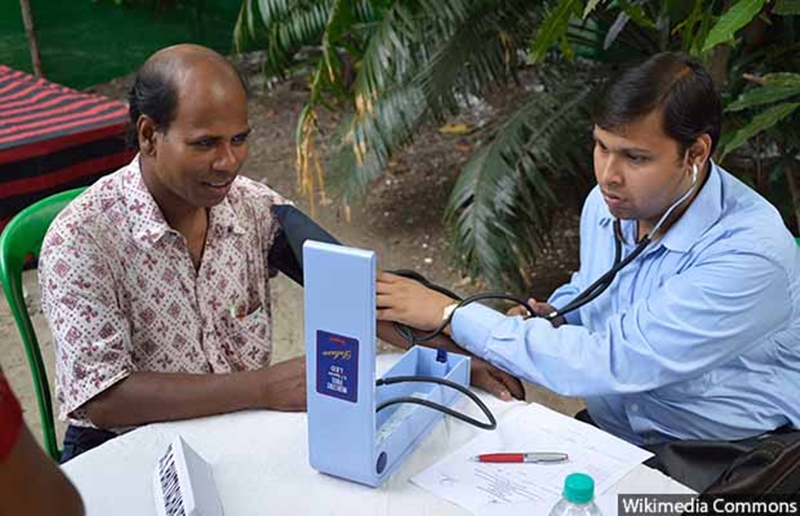
Monitor your blood pressure at home: Regular checks can catch dangerous spikes early.
Sleep well: Aim for 7–9 hours per night; poor sleep can raise blood pressure and heart disease risk.
For patients who need medication, the NHS commonly prescribes ACE inhibitors such as ramipril and lisinopril, angiotensin receptor blockers including losartan and candesartan, and calcium channel blockers like amlodipine and felodipine.
The study underscores that simple lifestyle changes, eating right, staying active, and managing stress, can be the key to longer, healthier lives for millions of Indians living with hypertension.