
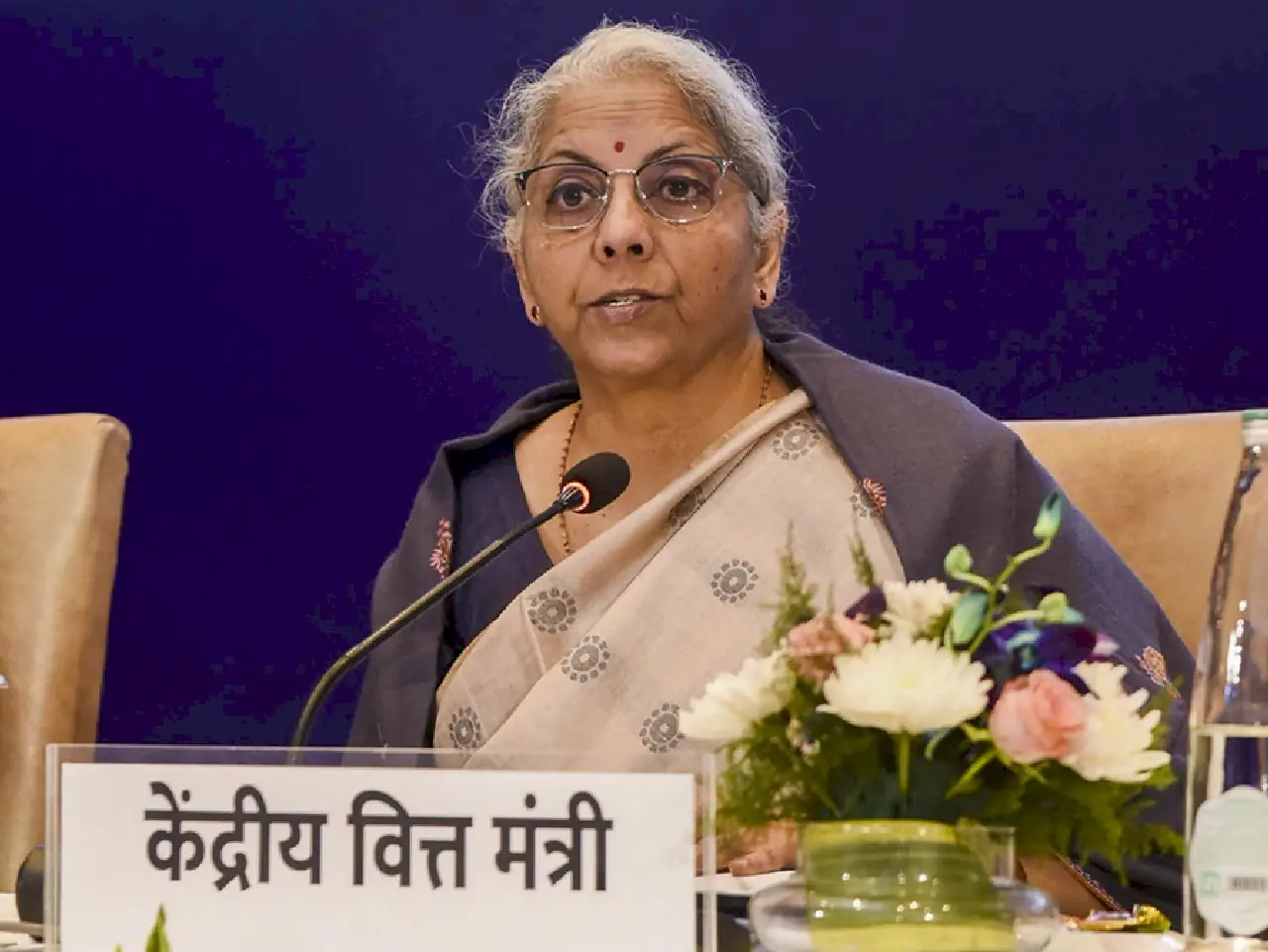
NEW DELHI, Sept 3 (Reuters) – Finance Ministers from all Indian states and Union Finance Minister will meet for two days from Wednesday to weigh the biggest cuts to GST in eight years, aimed at spurring domestic demand in the face of economic headwinds from US tariffs.
Coupled with cuts in personal tax unveiled in February, the cuts in the GST are expected to boost consumption in the South Asian nation, whose economy grew at an unexpectedly higher pace of 7.8% in the quarter to June.
A panel on the GST, headed by Finance Minister Nirmala Sitharaman with ministers from all states, will decide on a plan to cut the GST on more than 400 items, ranging from hair oil to small cars.
“With U.S. tariffs clouding exports in textiles, autos and possibly pharmaceuticals, India must pivot towards domestic consumption as the primary growth engine,” said Manoj Mishra, a partner at Grant Thornton Bharat LLP.
The move is expected to boost sales of FMCG firms such as Hindustan Unilever and Godrej Industries, and consumer electronics companies such as Samsung Electronics, LG Electronics and Sony.
Among automakers Maruti, Toyota Motor and Suzuki Motor are expected to be big winners.
The rush to cut the GST was triggered by Prime Minister Narendra Modi’s call for greater self-reliance, when he vowed to lower GST by October, aiming to counter the US tariffs of up to 50%.
TWO RATES INSTEAD OF FOUR
The ministers will consider a two-rate structure of 5% and 18%, instead of four now, with additional tax bands of 12% and 28%. It will also consider a higher GST of 40% on some luxury and “sin” goods such as cigarettes.
The plan is to sweep into the 5% category all items of daily use now in the category of 12%.
The panel will also consider lowering GST on consumer items such as toothpaste and shampoo to 5% from 18%, and on small cars, air conditioners, and televisions to 18% from 28%.
Economists expect the cuts to cost $21 billion in revenue losses, with states set to lose more than the central government.
While the states are broadly on board, there could be heated discussion on ways to make up their loss of revenue.
The panel is likely to discuss raising GST on high end electric vehicles priced at more than 2 million rupees.
It will also consider raising GST to 18% from 12% on apparel priced above 2,500 rupees ($29), which would affect the premium offerings of Marks and Spencer, Levi Straus, and Zara.
GST on air travel in the premium and business classes could also go to 18% from 12%.
($1=87.5060 Indian rupees)