

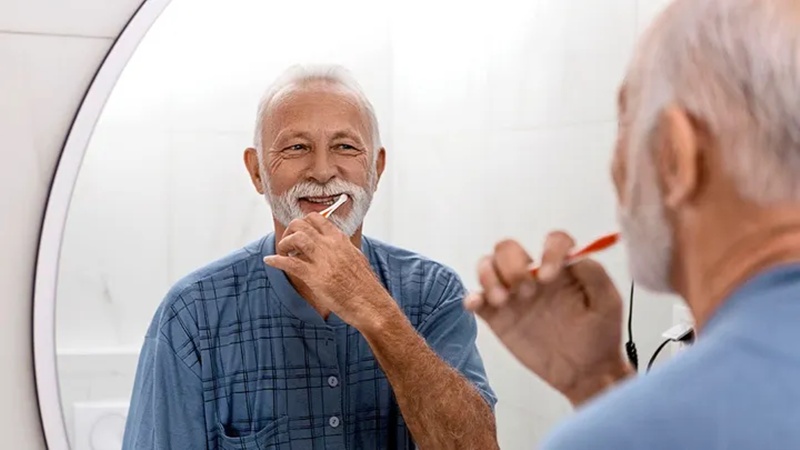
17.3% of seniors 65 years and older have lost all their have lost all of their teeth, according to National Institute of Dental and Craniofacial Research.
But according to experts, this isn’t inevitable. Dental professionals shared the following tips to prevent tooth loss and boost overall health.
1. Protect gum health
About two in three adults over age 65 are dealing with some form of gum disease.
Clinical experts cited in the report, including Dr. Uchenna Akosa, assistant professor and director at Rutgers Health University Dental Associates in New Jersey, warn that bleeding gums can signal a much deeper problem.
“Even if you have not lost any teeth, gum disease impairs your ability to chew hard food,” Akosa said. “That will affect your nutrition and can put you at risk of malnutrition in the future.”
Left untreated, gum disease can also destroy the bones that hold teeth in place and may interfere with nutrition and chewing.
Gum disease is also a source of chronic inflammation in the body, which can contribute to dementia risk, studies have shown. A meta-analysis of about 34,000 people found that older adults who had lost all of their teeth had a 1.4 times greater risk of developing dementia.
The publication also points to previous research linking gum disease to other health risks, such as heart attack, stroke and cancer.
17.3% of seniors 65 years and older have no remaining teeth..
Experts recommend focusing on early prevention. If your gums bleed when brushing, or if you notice sensitivity or recession, those are signs to schedule a dental visit.
Regular professional cleanings and checkups can catch gum problems before they lead to tooth loss or other health effects.

2. Take steps to prevent dry mouth
Saliva plays an essential role in neutralizing acids and protecting tooth enamel, but dry mouth affects nearly six in 10 older adults, according to AARP.
Many common medications — including antihistamines, antidepressants and blood pressure drugs — can reduce saliva production, making the mouth more prone to tooth decay, infection and gum disease, WebMD states.
To prevent dry mouth, AARP recommends sipping water regularly, rinsing the mouth after eating, asking your dentist about prescription-strength fluoride toothpaste, and using dry mouth rinses like Biotene or Act.
3. Personalize your dental visits
Contrary to the standard six-month checkup rule, AARP notes that dental care schedules should be personalized.
One doctor in the report noted that there’s “nothing magical about a six-month checkup” — some people may only need to go once a year, while others, especially those with chronic conditions, may need more frequent visits.
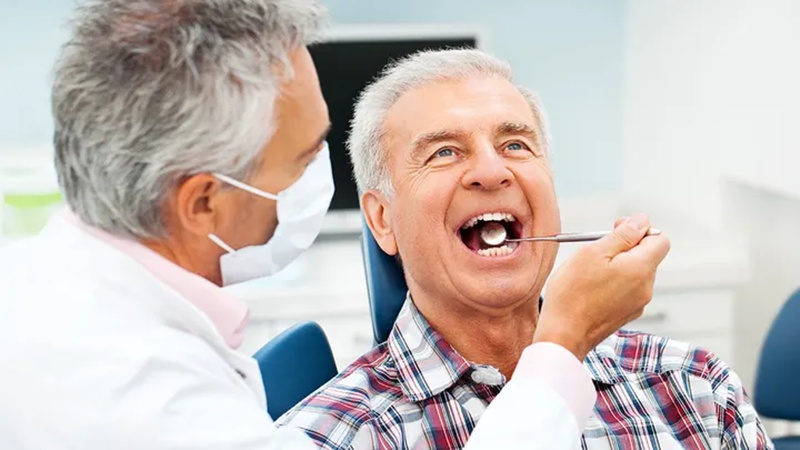
Oral health issues in older adults often go unnoticed, especially those related to bite alignment, according to Frey.
“Bite-related issues are often an overlooked source of headaches and neck pain,” he told Fox News Digital. “The public simply hasn’t been informed that tension, misalignment and jaw dysfunction can manifest in ways that seem unrelated at first glance.”
Evaluating bite position and jaw health can sometimes reveal the root causes of chronic discomfort, Frey noted.
“When I combine 3D imaging with a close exam of the teeth — worn surfaces, tiny fractures and chipping — it often reveals that the muscles around the head and neck aren’t in harmony with the bite.”
4. Adopt healthy habits
Smoking is a major contributor to tooth loss.
CDC data shows that smokers are up to three times more likely to lose all their teeth than non-smokers.
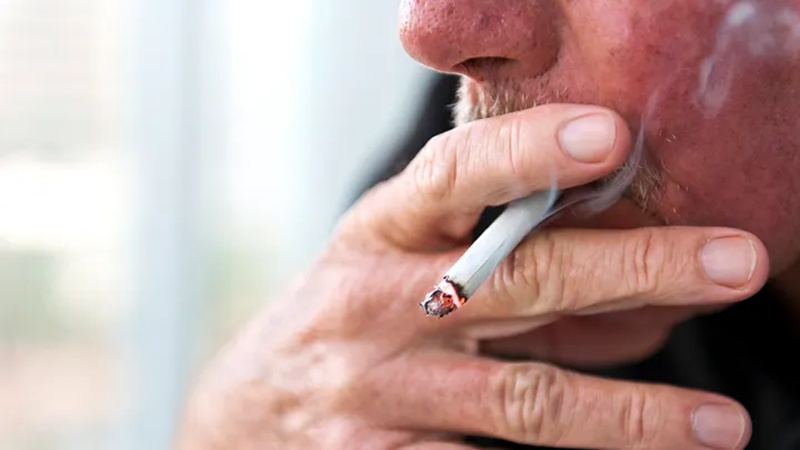
And while sugary cough drops or hard candies may seem harmless, they can be damaging to tooth enamel over time, experts warn.
Switching to sugar-free gum or candies containing xylitol may help prevent cavities and support better oral health, Akosa told AARP.
5. Restore appearance
One of the biggest misconceptions about aging and dental health is that worn, discolored teeth are something to simply accept, according to Frey.
“It’s not just about revitalizing the teeth — it’s about revitalizing the person.”
“A delicate, thin porcelain veneer can restore the vitality, color and shape your teeth once had, enhancing your smile and overall appearance,” he told Fox News Digital.
“And it’s not just cosmetic — it’s about restoring health, confidence and proper function.”
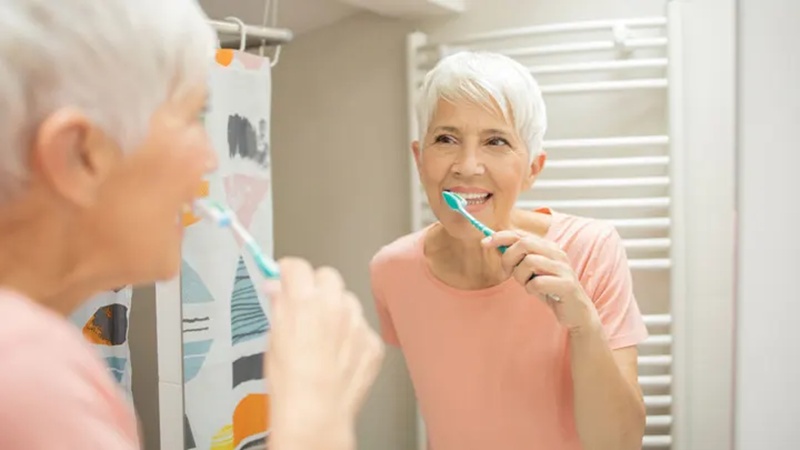
According to Dr. Frey, “It’s not just about revitalizing the teeth — it’s about revitalizing the person.”
For those looking to brighten their smile, Erin Fraundorf, founder of BOCA Orthodontic and Whitening Studio in St. Louis, recommends seeing a dentist before trying any whitening treatments, per the AARP report.
“In-office treatments remain the safest, most effective option, while professional-grade take-home kits and OTC products can be great for maintenance,” Fraundorf said.
Courtsey- Fox News Health