
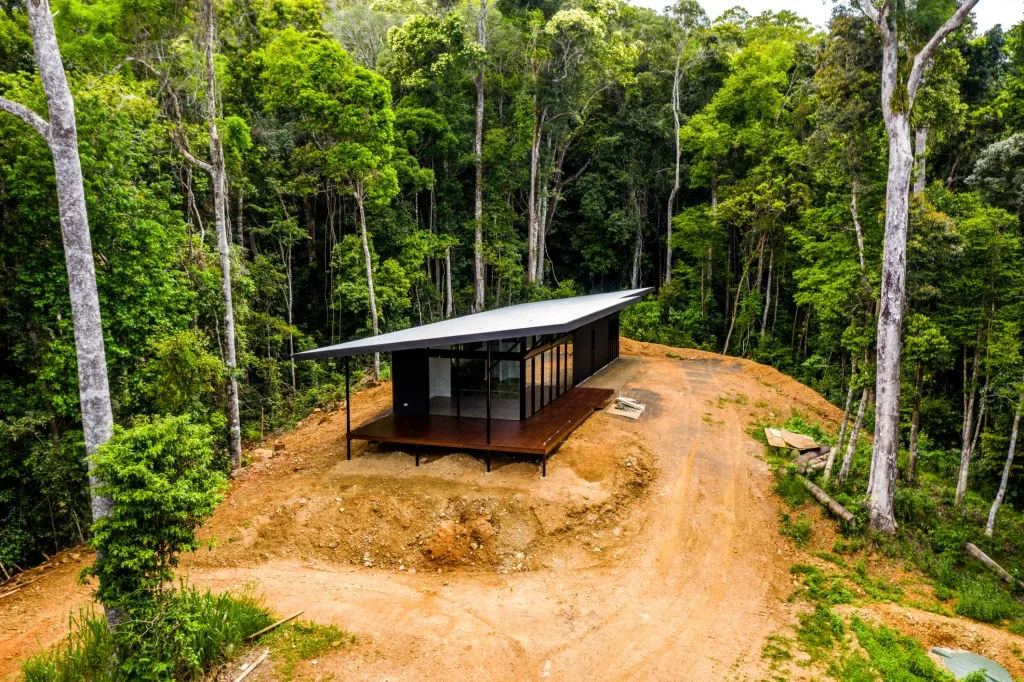
18 September, 2026 (Conversation) For most of Australian history, “going off-grid” meant living somewhere the main electricity network did not reach.
Isolated communities and remote farming properties have long relied on stand-alone power systems. These typically consist of solar panels, batteries and a diesel generator, with no physical connection to the national grid.
In these places, off-grid power is often the most practical option. Maintaining kilometres of poles and wires for a handful of customers can cost more than individually supplying each property.
A growing number of people are considering off-grid living in rural and remote areas. These households tend to be owner-occupiers with extra funds, suitable roofs or land and an interest in reducing emissions or becoming self-sufficient.
Nevertheless, few people are choosing to completely disconnect from the grid, mainly because of upfront costs. And renters and lower-income households who aim to do so face many more hurdles.
Renewables gaining traction
A growing number of Australians are turning to renewable energy systems.
Across the country, we have installed upwards of 4.2 million rooftop solar systems. Batteries are not far behind, with more than 460,000 installations between July 2025 and early June 2026 alone.
Several factors have made this possible.
For starters, renewable energy technology has become cheaper. The federal Cheaper Home Batteries Program, which provides a discount of about 30% on eligible battery systems, is just one example.
Renewable technology is also rapidly advancing. Modern inverters can keep specific appliances operating during an outage. Home energy-management systems, such as smart meters, allow households to coordinate solar generation, batteries, hot-water systems and electric-vehicle charging – all at the push of a button.
Rules have changed too. Since 2022, power companies have been able to replace expensive grid connections with regulated stand-alone systems. These systems are more economical and allow customers to disconnect from the physical grid without losing any consumer protections.
However, this does not mean every solar-and-battery home can keep running when the grid fails. Most grid-connected solar systems automatically shut down during an outage for safety. And generating back-up power is not always straightforward.
Before buying a household battery, you must consider various factors including how much electricity you use and the size and design of your existing solar system. Microgrids can be a lifeline during natural disasters, but current regulatory frameworks restrict how much energy they can supply and store.
Independence has benefits – and costs
Going off-grid has many advantages including:
-
being free of fluctuating energy prices and network tariffs, which power companies charge for building, maintaining and operating poles, wires and other physical energy infrastructure
-
having more control over where your electricity comes from
-
being more resilient during blackouts
-
in sunny locations, generating enough renewable energy to cover a large share of your household’s annual energy demand.
However, off-grid living also has certain downsides such as:
-
having unreliable or not enough power, particularly when the unfortunate factors of cloudy weather, high demand and equipment failure coincide
-
paying more for back-up energy infrastructure, such as additional battery storage or a diesel generator
-
needing to maintain and eventually replace equipment including batteries, inverters and generators
-
giving up the option to send surplus solar into the grid and be paid for it
-
having to manage off-grid systems yourself or pay someone else to do so.
The economics of going off-grid comes back to location. Leaving the grid makes the most sense in places where installing a new connection or maintaining a long rural line would be extremely expensive. It is much harder to justify in a suburb with reliable, shared infrastructure.
A ‘near off-grid’ future
Our recent review analysed 146 studies looking at how people go from being passive consumers to active energy users that generate, store and manage electricity.
Despite adopting everything from solar systems to electric vehicles, we found most people stay connected to the grid because of the reliability and back-up options it provides.
This suggests households are unlikely to leave the grid en masse. Instead, the future will be one of near off-grid energy systems. Households will be largely self-sufficient over a year, but remain connected for the relatively few hours where they can’t rely on local generation and storage. For most Australians, this hybrid model is much more realistic than going completely off-grid.
However, this raises a difficult policy question. A household that occasionally uses the grid may still expect it to deliver instant and reliable power. Network tariffs must be adjusted to ensure people that can’t afford solar and batteries are not penalised financially. At the same time, households that invest in renewable energy technology should be rewarded, such as through government incentives and rebates.
Australians are no longer wondering if they can leave the grid. Rather, they are questioning if they are better off bearing the costs of off-grid living or having to rely on a shared network. A near off-grid future may provide a middle ground.