Rudrapur (Uttarakhand), July 9, 2026: India has every reason to celebrate one of the greatest achievements in its post-Independence history: its citizens are living longer than ever before. In the early 1950s, the average Indian could expect to live only about 37 years. Today, life expectancy has nearly doubled to around 72 years, thanks to advances in healthcare, immunisation, sanitation, nutrition, education, and economic development.
But behind this encouraging achievement lies a less-discussed reality.
While Indians are living longer, they are not necessarily living healthier. According to the World Health Organization (WHO), India’s life expectancy at birth is about 72 years, whereas its Healthy Life Expectancy (HALE) is only about 58–59 years. This means that the average Indian spends approximately 13 to 14 years living with illness, disability, or reduced physical or mental health.
These figures should serve as a wake-up call—not only for policymakers but also for every citizen.
For decades, India’s public health priorities centred on reducing infant mortality, combating infectious diseases, improving maternal health, and expanding access to medical care. Those efforts have yielded remarkable results.
However, success has created a new challenge.
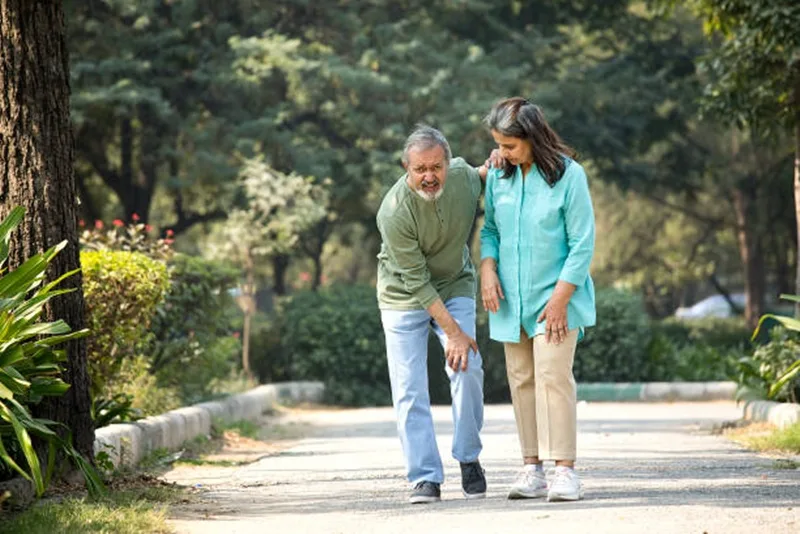
As life expectancy increases, chronic diseases have become the country’s leading health burden. Instead of dying young from infections, millions of Indians now live for years with conditions such as heart disease, diabetes, hypertension, cancer, chronic kidney disease, chronic respiratory disorders, arthritis, and neurological illnesses.
These diseases rarely cause immediate death. Instead, they gradually reduce mobility, productivity, independence, and overall quality of life.
Healthy life expectancy measures this reality more accurately than life expectancy alone because it estimates the number of years people are expected to live in good health, free from major disease or disability.
The gap of 13–14 years between life expectancy and healthy life expectancy is not simply a medical concern—it is also an economic and social issue.
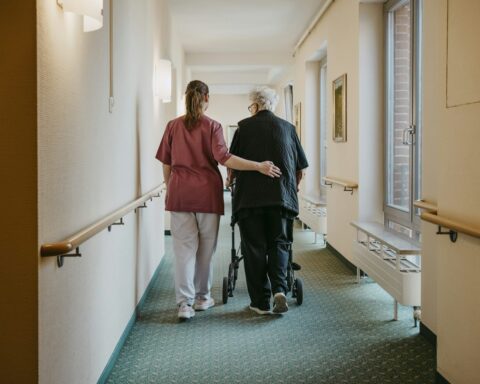
Long-term illness increases healthcare expenditure for families and governments alike. It reduces workforce participation, affects productivity, and places growing demands on caregivers. Elderly people living with multiple chronic diseases often require continuous medication, frequent hospital visits, rehabilitation, and long-term support.
As India’s population ages, these pressures will become even more significant.
According to the United Nations, India’s population aged 60 years and above is projected to increase substantially over the coming decades. Without stronger preventive healthcare, the burden of chronic disease will continue to rise.
Modern medicine has become increasingly successful at preventing premature death. However, preventing disease is very different from preserving health.
Medical technology can often prolong life after a heart attack, stroke, or cancer diagnosis, but many survivors continue to live with physical limitations or chronic health conditions.
This explains why life expectancy continues to improve while healthy life expectancy grows more slowly.
In other words, India is adding years to life—but not enough life to those years.
Several interconnected factors contribute to India’s relatively low healthy life expectancy.
Rapid urbanisation has encouraged sedentary lifestyles and unhealthy dietary habits. Tobacco use remains a major health risk, while obesity, diabetes, and hypertension are increasing across both urban and rural populations.
Air pollution has emerged as one of India’s most serious environmental health threats, contributing to cardiovascular disease, stroke, respiratory illness, and reduced life quality.
Mental health disorders, often overlooked, also account for a growing share of disability. Depression, anxiety, dementia, and stress-related conditions reduce healthy years even when they do not shorten life dramatically.
Equally important is the lack of preventive healthcare. Millions of Indians continue to seek medical attention only after symptoms become severe. Diseases such as hypertension, diabetes, kidney disease, and certain cancers frequently remain undiagnosed until complications develop.
India’s healthcare system must now shift its emphasis from treatment alone to prevention.
Regular health screening, vaccination throughout life, healthy diets, physical activity, tobacco cessation, pollution control, mental health services, and early diagnosis can significantly improve healthy life expectancy.
Primary healthcare centres should become hubs for preventive medicine rather than merely facilities for treating illness.
Schools should promote healthy lifestyles from childhood. Workplaces should encourage physical activity and routine health check-ups. Public health campaigns must emphasise that prevention begins long before disease appears.
Countries such as Japan, Singapore, Switzerland, and Australia not only enjoy high life expectancy but also relatively high healthy life expectancy. Their experience demonstrates that investment in preventive healthcare, universal access to quality medical services, healthy lifestyles, and strong public health systems can narrow the gap between lifespan and healthspan.
India need not replicate these models exactly, but it can adapt many of their successful strategies to its own demographic and economic realities.
The coming decades will test India’s healthcare system in new ways.
The challenge is no longer merely to reduce deaths. It is to ensure that people remain healthy, active, productive, and independent throughout their lives.
This will require sustained investment in preventive healthcare, stronger primary care, better nutrition, cleaner air, improved mental health services, wider access to screening programmes, and comprehensive care for older adults.
Healthcare policy must evolve from a disease-centred approach to a wellness-centred approach.
India’s rising life expectancy is an extraordinary national achievement worthy of celebration. Yet the country cannot afford to overlook the reality that millions of citizens spend their later years living with chronic illness and disability.
The ultimate measure of progress is not simply how long people live but how well they live.
The next chapter of India’s public health story should therefore focus on increasing healthy life expectancy alongside life expectancy. If India succeeds in narrowing the gap between the two, it will improve not only the health of its citizens but also the productivity of its economy, the resilience of its families, and the strength of its society.
Adding years to life was the achievement of the twentieth century.
Adding life to those years must become the defining public health mission of the twenty-first century.
Data Sources
- World Health Organization (WHO). Global Health Observatory – India: Life Expectancy and Healthy Life Expectancy (HALE). Available at: https://data.who.int/countries/356
- World Health Organization (WHO). Healthy Life Expectancy (HALE): Global Health Estimates. Available at: https://www.who.int/data/gho
- Institute for Health Metrics and Evaluation (IHME). Global Burden of Disease (GBD) Study 2021. Available at: https://www.healthdata.org
- United Nations Department of Economic and Social Affairs (UN DESA). World Population Prospects 2024. Available at: https://population.un.org/wpp