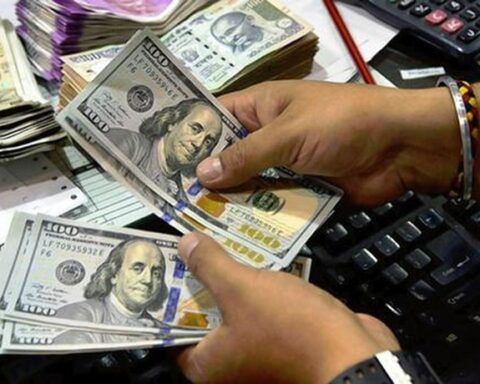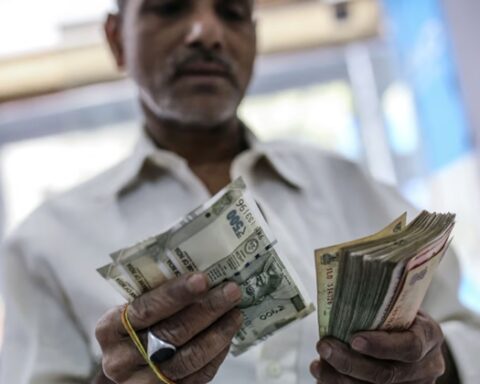

MUMBAI, June 3 (Reuters) – The Indian rupee could weaken to a record low of 98 against the U.S. dollar by July as the energy shock triggered by the Middle East crisis continues to pile pressure on domestic assets, especially the currency, a BofA Securities executive told Reuters.
The rupee, Asia’s worst performing currency this year, has been battered by the war-led energy shock that threatens to slow growth and push up inflation in India, which imports almost 90% of its crude requirements and half of its gas needs.
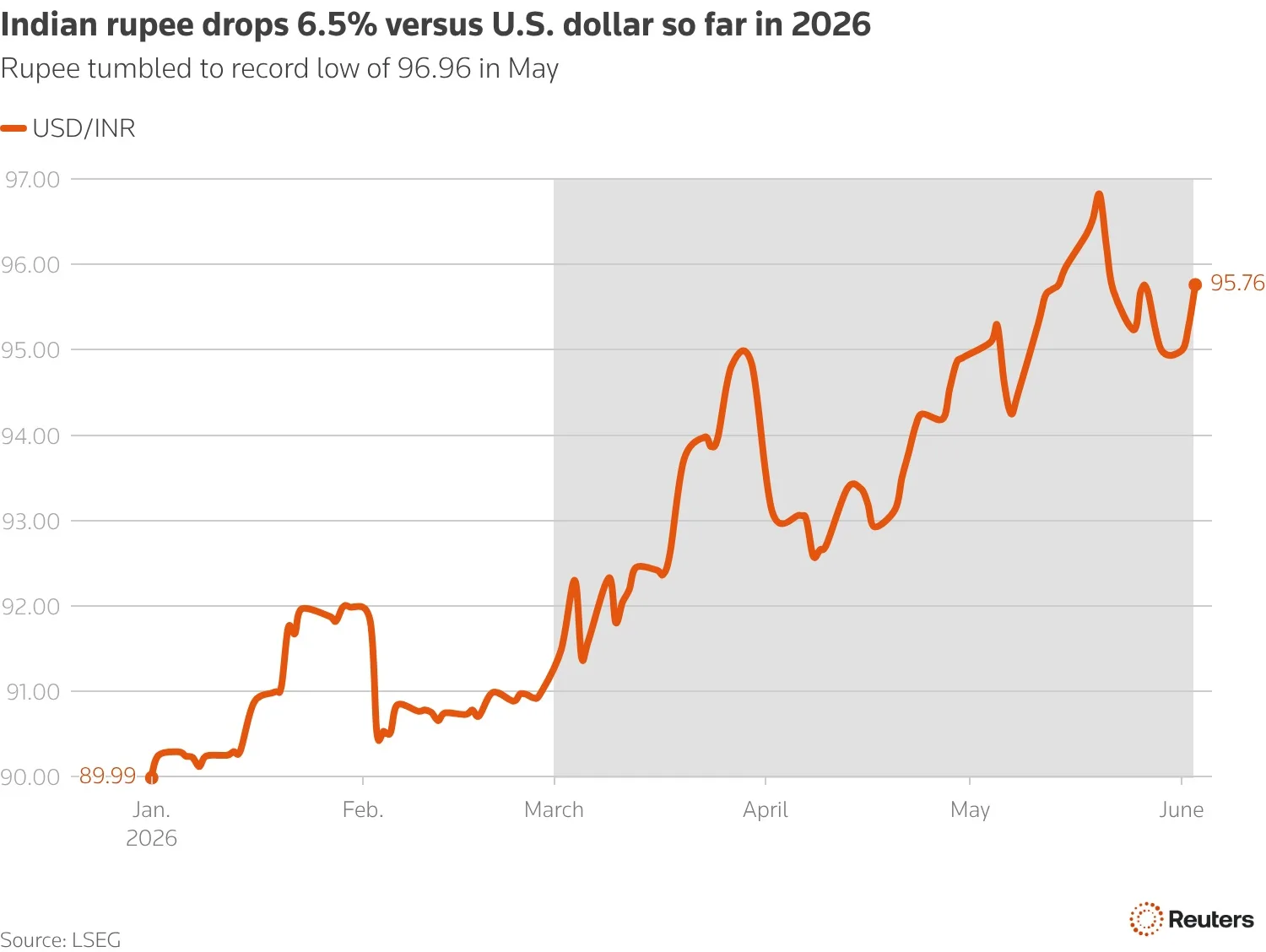
Authorities have implemented several measures to protect the currency and preserve dwindling foreign exchange reserves, with some analysts expecting a rate hike as early as this week to protect the rupee, which slipped to a record low of almost 97 to the dollar on May 20.
The currency was last trading at 95.77 on Wednesday.
Heavy foreign selling of Indian stocks has also added to the pressure, with overseas investors withdrawing around $27 billion so far this year, surpassing last year’s record outflows.
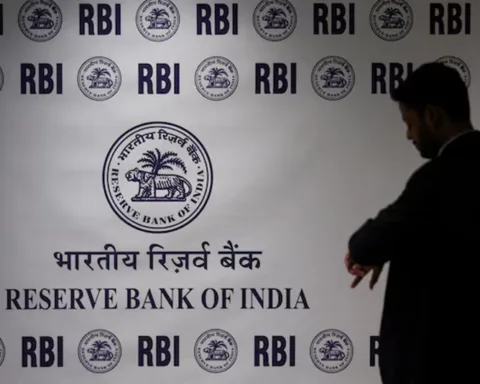
The persistent pressure on the currency has prompted some analysts to call for a rate hike when the central bank announces its monetary policy decision on Friday.
David Hauner, head of global emerging markets fixed income strategy at BofA Securities, however, does not see an immediate need for a hike, but expects 25 basis-point increases each in October and December. He does not expect the Federal Reserve to raise rates this year.
“It is a more difficult situation, because globally, you are going to tighten financial conditions and again that is not an ideal situation for emerging markets, especially India,” Hauner said.
He added that the RBI would probably avoid steep rate hikes even if inflation rises as tighter monetary policy could undermine growth.
Hauner expects foreign inflows to India to improve once energy supplies normalize, with the rupee likely recovering to around 93-94 against the dollar over the next 12 months or so.
“The currency will become more of a carry play, rather than a call that it would be appreciating a lot.”