
LONDON, April 27 (Reuters) – Oil prices jumped almost 3% on Monday as peace talks between the U.S. and Iran stalled and shipments through the Strait of Hormuz remained limited, keeping global oil supplies tight.
The Brent crude benchmark rose $3, or about 2.9%, to $108.36 a barrel by 0828 GMT, its highest in three weeks. U.S. West Texas Intermediate was up $2.45, or 2.6%, at $96.85.
Brent and WTI gained nearly 17% and 13% respectively last week for their biggest weekly gains since the start of the war.
Hopes of reviving peace efforts receded over the weekend when U.S. President Donald Trump said Iran could telephone if it wants to negotiate an end to their two-month war.
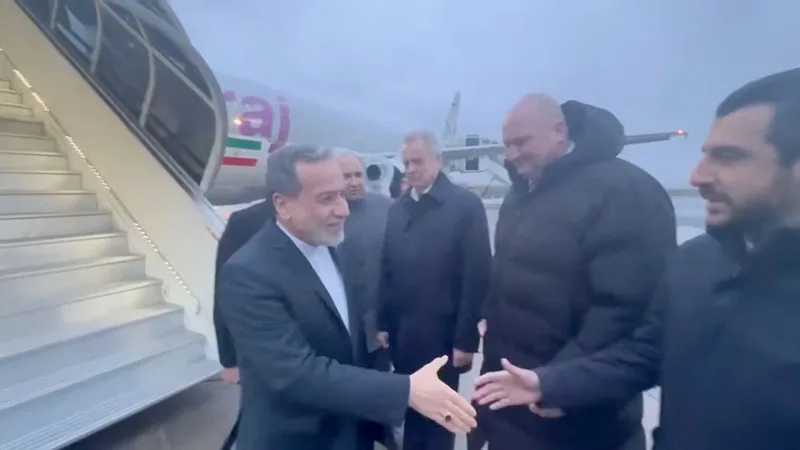
Meanwhile, Iranian Foreign Minister Abbas Araqchi shuttled to and from mediators Pakistan and Oman before flying to Russia, with the U.S. and Iran still seemingly far apart on issues including Iran’s nuclear ambitions and passage through the Strait of Hormuz.
“The diplomatic stand-off means that every day 10-13 million barrels of oil fail to get to the international market, worsening an already tight oil balance. Therefore, there is only one direction for oil prices to go,” said PVM Oil Associates analyst Tamas Varga.
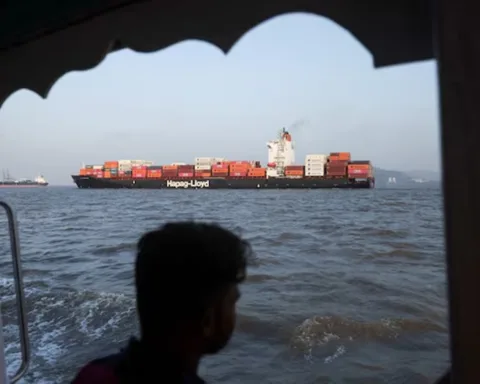
Tehran has largely closed the Strait of Hormuz while Washington has imposed a blockade of Iran’s ports. Traffic through the waterway remained limited, with only one oil products tanker entering the Gulf on Sunday, Kpler shipping data showed.
Goldman Sachs raised its oil price forecasts for the fourth quarter to $90 a barrel for Brent crude and $83 for WTI, citing reduced output from the Middle East.
“The economic risks are larger than our crude base case alone suggests because of the net upside risks to oil prices, unusually high refined product prices, products shortages risks and the unprecedented scale of the shock,” GS analysts led by Daan Struyven said in a note on Sunday.