
PARIS, April 7 (Reuters): The current oil and gas crisis triggered by the blockade of the Strait of Hormuz is “more serious than the ones in 1973, 1979 and 2002 together”, Fatih Birol, the head of the International Energy Agency (IEA), told Le Figaro newspaper.
“The world has never experienced a disruption to energy supply of such magnitude,” he said in an interview with the French newspaper released in its Tuesday edition.
He said the European countries, as well Japan, Australia and others will suffer, but the countries most at risk were developing nations which will suffer from higher oil and gas prices, higher food prices and a general acceleration of inflation.
The IEA member countries agreed last month to release part of their strategic reserves. Some of this had already been released and the process continues, said Birol.
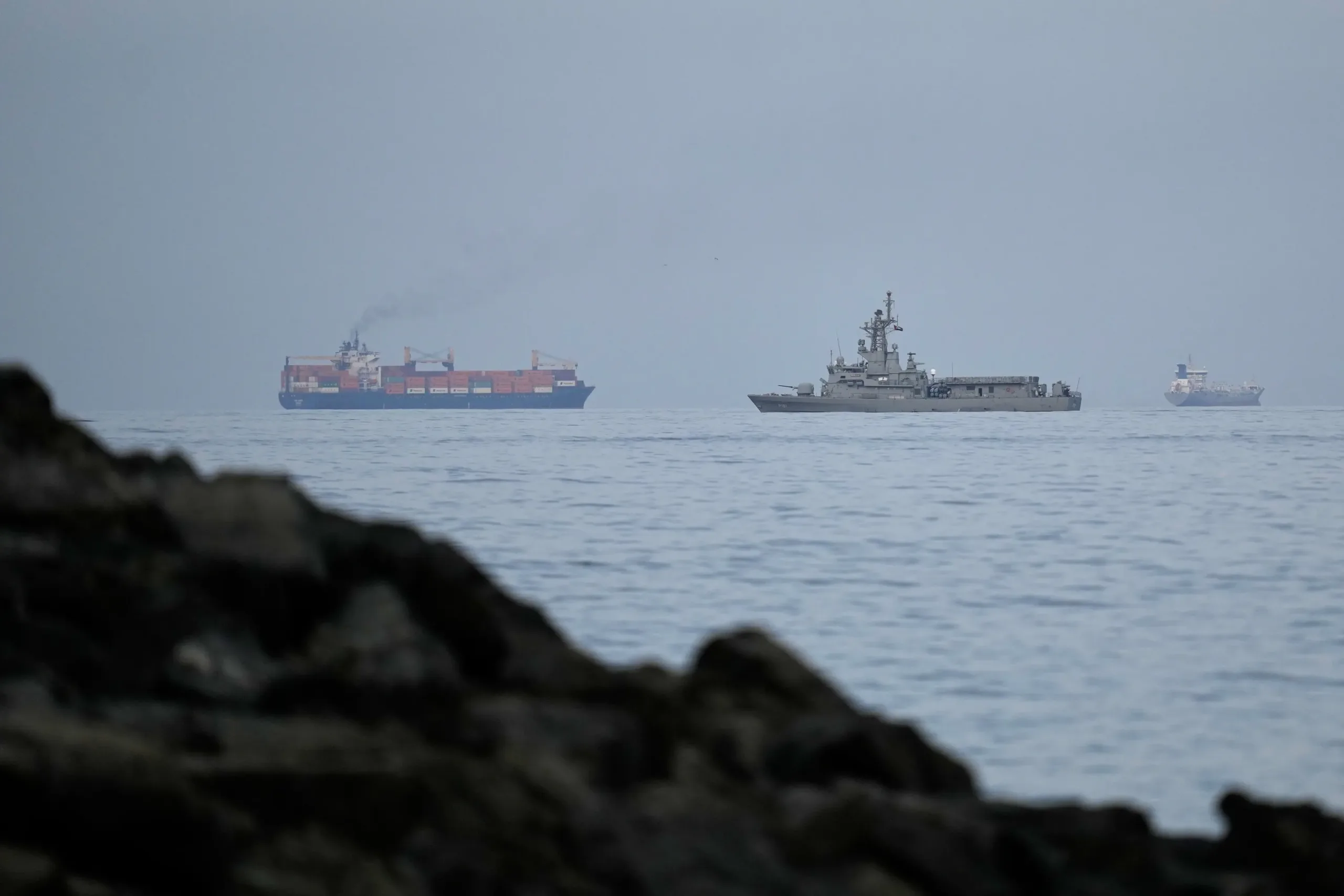
In reaction to the strikes by Israel and the U.S., Iran has almost entirely blocked the traffic in the Strait of Hormuz, through which about 20% of world oil and gas regularly flows, creating a surge in energy prices.
This report is given by Reuters. The Sen Times holds no responsibility for its content.
How does the Strait of Hormuz blockade impact global energy security?
The Strait of Hormuz blockade represents a historic disruption, surpassing the combined severity of the 1973, 1979, and 2002 energy crises. As a primary maritime chokepoint conveying 20% of global petroleum and natural gas liquids, its closure triggers immediate price surges and critical supply shortages worldwide.
Which nations are most vulnerable to the current energy supply disruption?
While industrialized nations like Australia, Japan, and European states face significant economic strain, developing nations remain the most critically at risk. These regions lack the fiscal cushions to absorb soaring energy costs, leading to simultaneous spikes in food prices and a general acceleration of national inflation.
What measures are being taken to stabilize the global energy market?
The International Energy Agency (IEA) has initiated a coordinated release of emergency strategic reserves to provide liquidity to the market. Member nations agreed to a phased deployment of these stockpiles, a process that remains ongoing to counteract the 20% reduction in global maritime energy traffic.