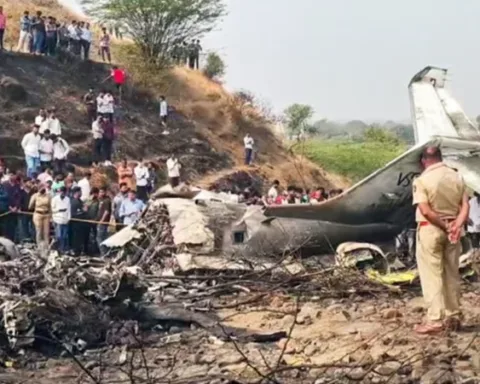


NEW DELHI, April 7 (Reuters) – Air India CEO Campbell Wilson has resigned, a source with direct knowledge of the matter said on Tuesday, as the airline grapples with persistent losses and heightened regulatory scrutiny following a crash last year that killed 260 people.
The news of his resignation comes just days after its bigger rival IndiGo named aviation industry
veteran Willie Walsh as its next CEO, as the country’s two largest carriers come under pressure to tackle a mounting industry crisis stemming from the Middle East conflict on top of domestic operational challenges.
Reuters reported in January that Air India’s board was scouting for a new CEO to replace Wilson, a former Singapore Airlines veteran brought in to steer the Indian carrier’s turnaround in 2022 after years of decline under government ownership.
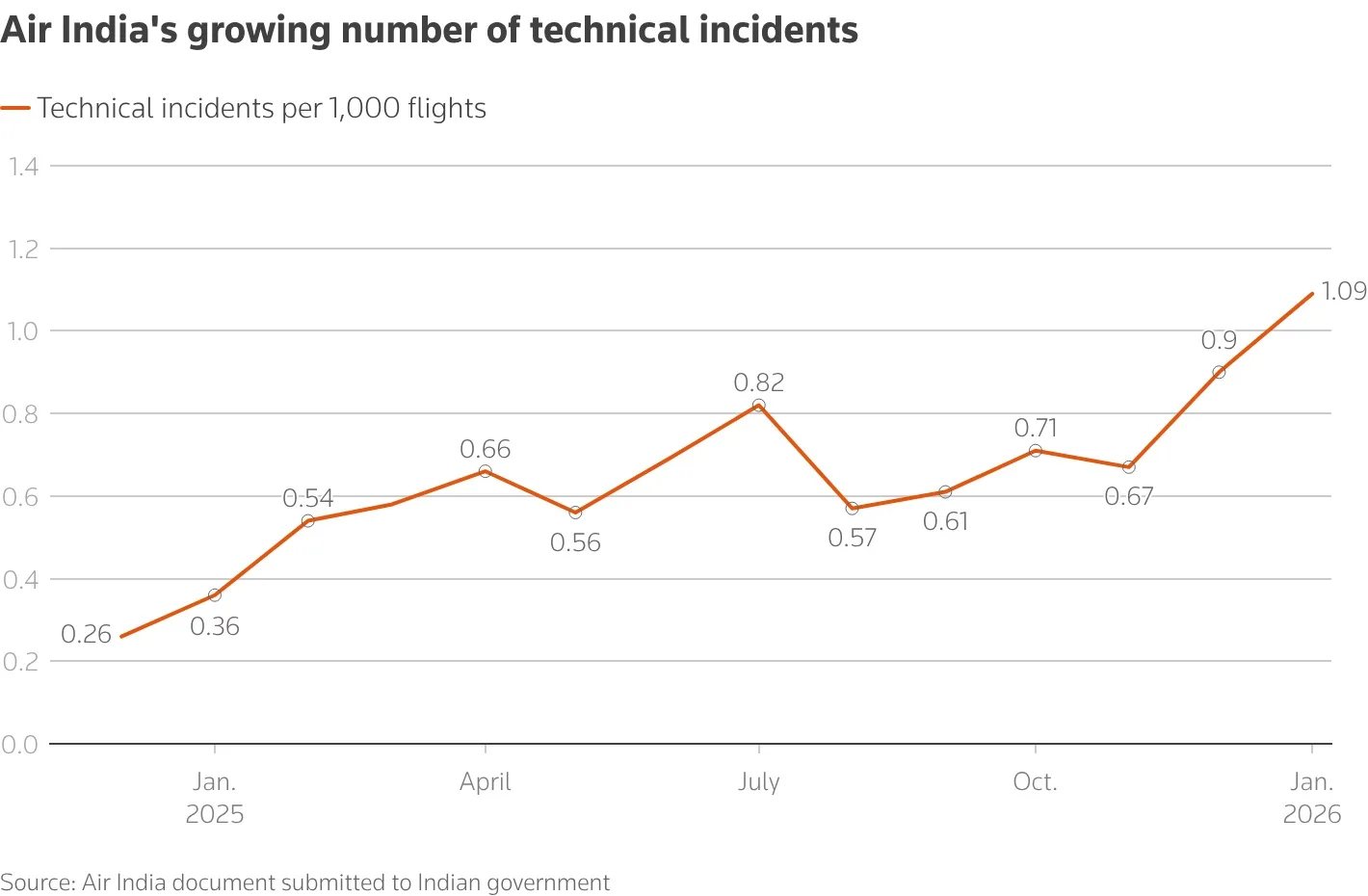
The airline, which is contending with aircraft delivery delays, has also been reprimanded by regulators for safety lapses, including flying an aircraft eight times without an airworthiness certificate and running planes without checking emergency equipment.
New Zealand-born Wilson’s term was due to end in 2027. He is currently serving a six-month notice period and plans to stay with the company until a successor is found, the source said, declining to be identified as they were not authorised to speak with media.
Air India did not immediately respond to Reuters’ request for comment outside regular business hours. Wilson’s resignation was reported by Indian publication Mint late on Monday.
Since taking over the top job in 2022, Wilson has steered the airline through the early and difficult stages of its turnaround, including overhauling Air India’s engineering department and refurbishing planes amid supply chain disruptions.
In December, Air India admitted there was a “need for urgent improvements in process discipline, communication, and compliance culture,” Reuters reported.
Air India has a fleet of 191 planes and has placed orders for more than 500 aircraft.
It has lost money since being bought by Tata Group in 2022, with the financial pressure worsening since Pakistan banned Indian carriers from its airspace last year. Air India and its low-cost carrier Air India Express reported a combined loss of 98.08 billion rupees ($1.05 billion) in the 2024-2025 financial year.
A prolonged Iran war will add further pressure on Air India’s lucrative western routes, already scaled back due to Pakistan’s restrictions.
Air India is chaired by N. Chandrasekaran, who is also the chair of Tata Group. Singapore Airlines holds a 25% stake in Air India.
($1 = 93.0600 Indian rupees)
This report is given by Reuters. The Sen Times holds no responsibility for its content.
Why did Air India CEO Campbell Wilson resign?
Campbell Wilson resigned due to persistent financial losses and intensified regulatory scrutiny following a catastrophic crash that killed 260 people. The airline is currently navigating a severe operational crisis exacerbated by international airspace restrictions and systemic safety lapses identified by civil aviation authorities.
Who will replace Campbell Wilson as Air India CEO?
Air India’s board is currently scouting for a successor, though a formal replacement has not yet been named. Wilson is serving a six-month notice period to ensure leadership continuity while the airline coordinates with stakeholders, including 25% shareholder Singapore Airlines, to stabilize its executive management team.
How are geopolitical tensions affecting Air India’s financial performance?
Research indicates that the prohibition of Indian carriers from Pakistani airspace and the ongoing Iran war have significantly increased operational costs for Western-bound routes. These geopolitical constraints, paired with aircraft delivery delays, have widened fiscal deficits, resulting in a combined annual loss exceeding $1 billion.
How has the June 2025 crash impacted Air India’s regulatory standing?
The June 2025 crash of Flight AI 171 resulted in 260 fatalities and triggered a comprehensive audit uncovering over 50 major safety lapses. Consequently, the airline underwent a voluntary “safety pause” and temporary aircraft groundings, severely eroding public confidence and inviting unprecedented oversight from aviation regulators.
What is the current status of Air India’s fleet modernization program?
Air India recently expanded its commitment to 600 total new aircraft, including a January 2026 order for 30 additional Boeing 737 MAX jets. While the airline has integrated 170 aircraft since privatization, persistent global supply chain disruptions have delayed the refurbishment of existing widebody cabins and the delivery of new units