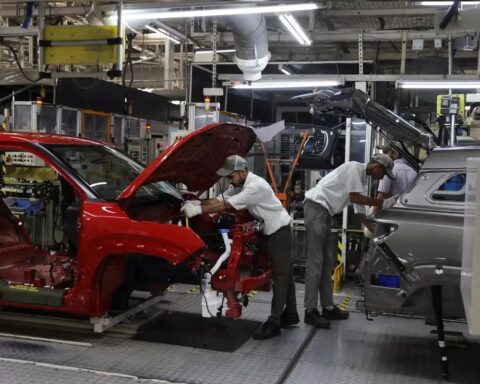

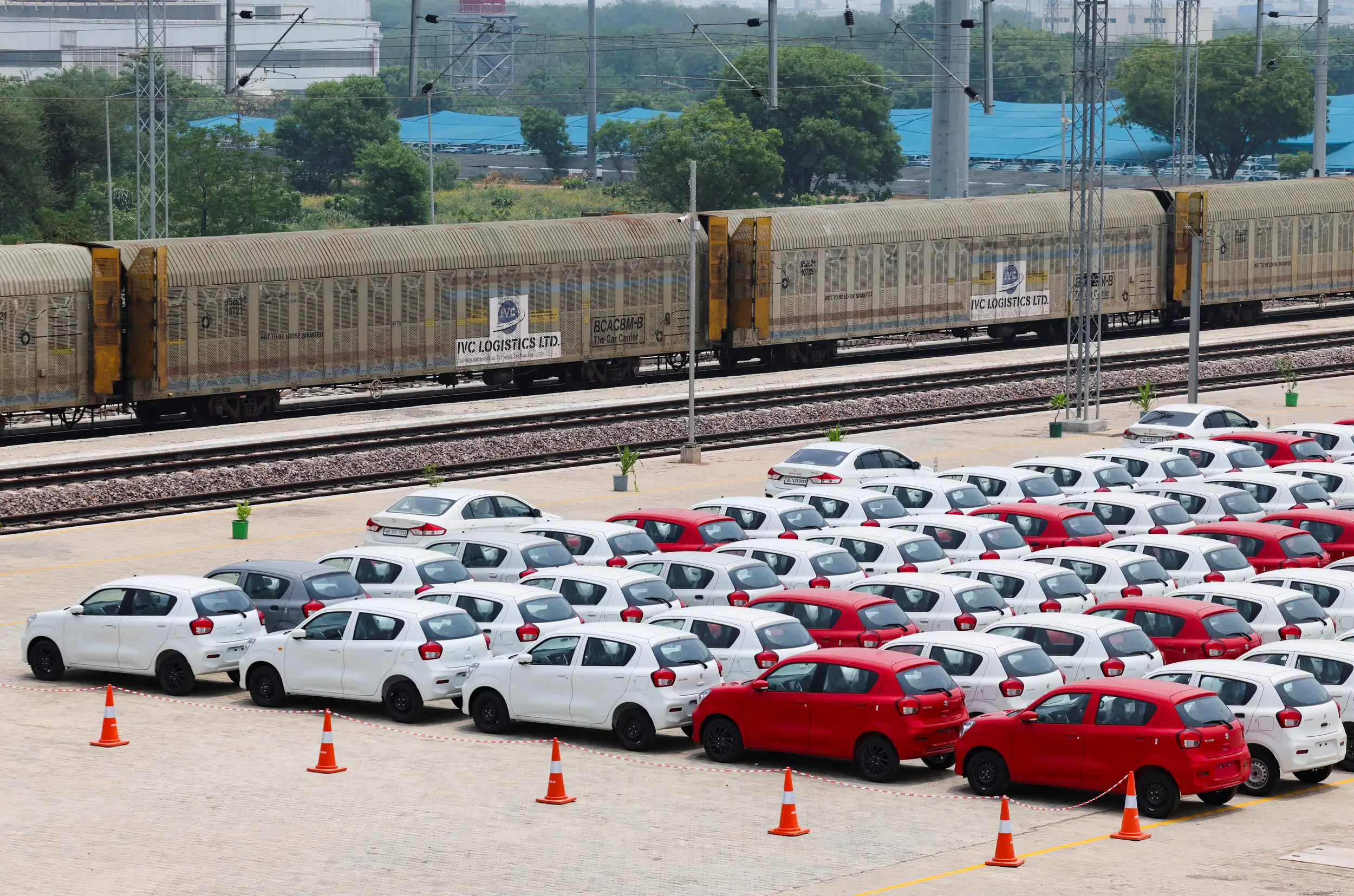
India’s top carmaker, Maruti Suzuki, said on Wednesday that it will likely raise prices as the Middle East war has pushed up commodity prices, wiping out gains from last year’s consumption tax cuts. The Iran war has driven up the prices of everything from oil and gas to key metals used in manufacturing vehicles.
The carmaker, majority-owned by Japan’s Suzuki Motor, said it has not faced any supply disruptions, but acknowledged potential disruptions in the future. “We will be taking a call, but unfortunately the commodity prices are going very high, we need to pass it on, so we will come back very soon on that,” Partho Banerjee, Maruti’s sales chief, told reporters during a monthly sales call.
The price hike could hit a demand upswing for Maruti’s small cars, following India’s sweeping tax cuts in September that drew price-sensitive customers back to dealerships. The automaker’s domestic sales dropped 5.8% between April and September, but jumped 12% between October and March, with demand for small cars outpacing supply and wait times for deliveries stretching to a month.
On Wednesday, Maruti reported a 10% year-on-year rise in domestic sales to dealers during March and a 43% jump in exports.
Shipments to the Middle East, which account for 12.5% of Maruti’s annual export volume, are expected to be delayed, Rahul Bharti, senior executive officer for corporate affairs, said.
Meanwhile, Hyundai Motor India, reported a 10% drop in its overseas shipments in March. The Middle East contributes 40% of the firm’s total exports, making it the Indian carmaker most exposed to the region
Hyundai Motor India posted a 6% rise in domestic sales.
This report is given by Reuters. The Sen Times holds no responsibility for its content.
Why is Maruti Suzuki raising car prices in India during 2026?
Maruti Suzuki is increasing vehicle prices because the U.S.-Israel-Iran conflict has surged the cost of essential commodities, including oil, gas, and industrial metals. This regional instability has effectively neutralized the consumer benefits from previous tax cuts, forcing the automaker to pass these escalating manufacturing expenses onto the end buyer to maintain margins.
How is the Middle East conflict affecting Indian automobile exports?
The ongoing Middle East war is causing significant shipping delays and a drop in overseas shipments for major Indian automakers like Hyundai and Maruti Suzuki. Hyundai Motor India is the most exposed, with the Middle East contributing 40% of its total exports, resulting in a recorded 10% drop in its overseas shipments this March.
Will the price hike affect the demand for small cars in India?
Market analysts suggest the impending price hike may dampen the current demand upswing for small cars, which saw a 12% jump in sales between October and March. Although demand currently outpaces supply with wait times stretching to one month, higher entry-level pricing typically deter the “price-sensitive” demographic that drives the hatchback segment.
Which Indian car manufacturers are most at risk from the Iran war?
Hyundai Motor India faces the highest regional risk due to its 40% export exposure to the Middle East, whereas Maruti Suzuki faces higher domestic risk from rising commodity inputs. Both firms reported domestic growth in March—6% for Hyundai and 10% for Maruti—but are now operating under the threat of “potential disruptions” to global energy and metal markets.