
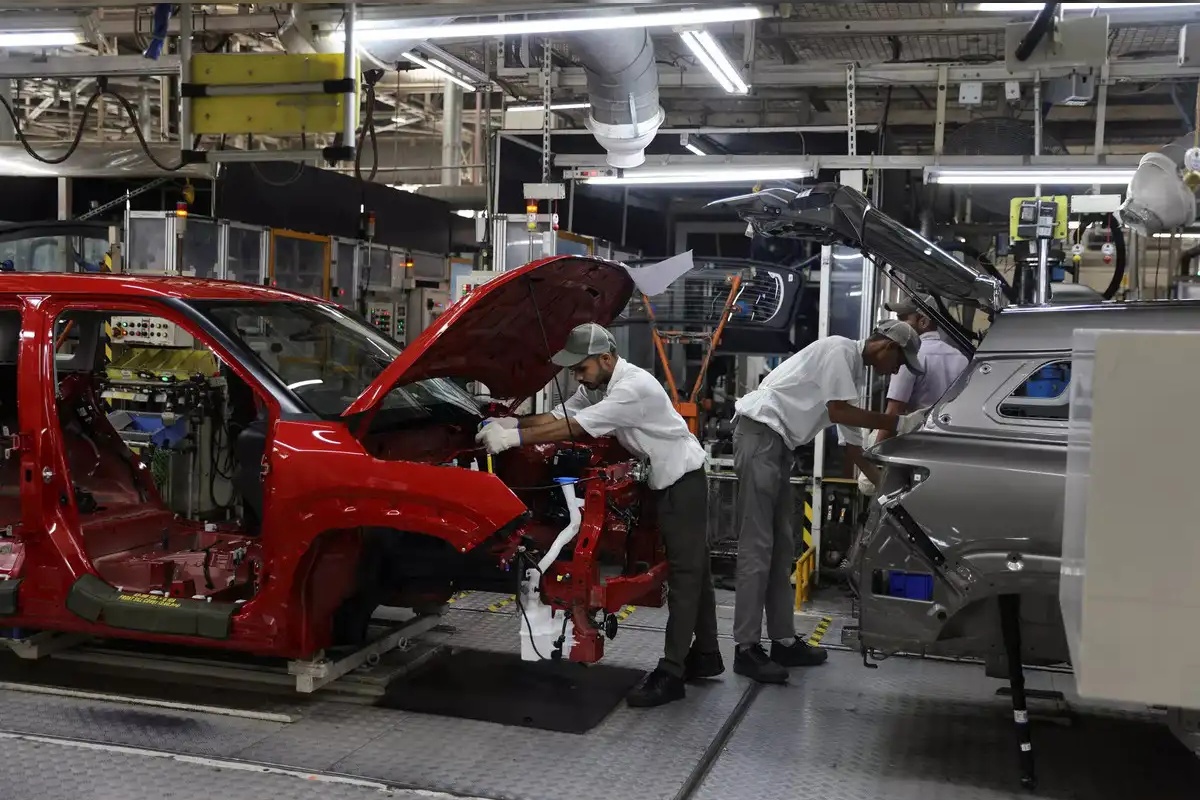
NEW DELHI, March 19 (Reuters) – India’s automakers and parts suppliers are bracing for production slowdowns and assembly-line disruptions as the Iran conflict chokes gas availability, threatening growth in the world’s third-largest car market.
Some parts suppliers to India’s leading carmakers like Maruti Suzuki, Tata Motors and Mahindra are already reporting a shortage of gas to power operations, an early sign that supply chain issues are developing, according to two dozen executives at car companies, part makers and dealers.
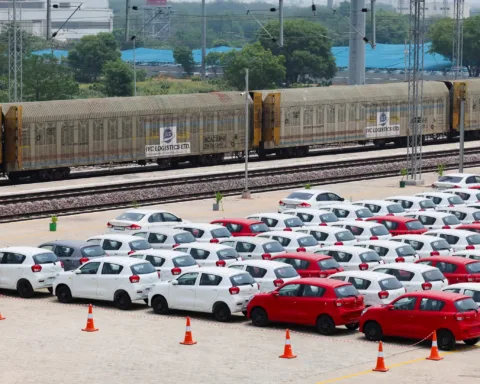
The disruption comes at a time when India’s car demand is soaring to record levels, with sales expected to cross 4.5 million units in the current fiscal year to March 31, leaving little excess inventory with manufacturers and dealers.
“At this point in time it is about survival. First and foremost we need to ensure production continues. The buffer stocks will not last long,” said a senior executive with a leading carmaker.
INDIA MOST EXPOSED TO WEST ASIA CONFLICT
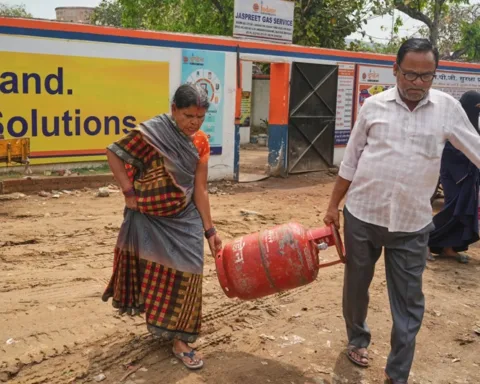
India relies heavily on the Middle East for energy supplies, importing 50% of its natural gas needs mostly from Qatar, which has been forced to shut its refinery after a wave of Iranian attacks.
Shipments of oil and gas through the Strait of Hormuz have also tanked after Iranian attacks on vessels.
While India is working to secure gas from the U.S., Norway and Russia, the government has prioritised supplies for homes over factories. In auto sector plants, the fuel is critical to high-heat processes like forging and casting, and in the paint shop.
Suppliers Reuters spoke to in India’s western and northern car manufacturing belts said production will be managed until end-March. But the stress in the system is showing, with at least four executives saying Tata and Mahindra are operating some factories below capacity.
Mahindra said in a statement that the company has not lost any production this month versus its “plan to date”, while a spokesperson for Tata Motors said operations at its plants are “near normal”.
Tata said it is working with suppliers to ensure continuity and optimising production where required.
Small and medium manufacturing units, which form the car industry’s backbone, are most vulnerable, as they rely more on gas and are unable to switch to other sources quickly.
Kirloskar Ferrous, a supplier of iron castings, told an Indian stock exchange this week it has stopped some production at a factory in Western India “until further notice”.
Metal producer Hindalco declared force majeure to some of its customers last week, warning them of potential disruptions amid gas shortages.
Both companies count Mahindra as a customer. Mahindra did not offer a direct comment about the two suppliers, but said its teams are working on the supply chain and taking action as needed.
CARMAKERS YET TO OFFICIALLY CUT PRODUCTION SCHEDULES
Automakers are operating in a state of high-alert diplomacy with their suppliers to keep assembly lines moving, and have not officially cut production schedules yet.
“We have received some information about challenges in energy supply for our in-house and our suppliers’ production operations,” said Rahul Bharti, senior executive officer for corporate affairs at Maruti, India’s biggest carmaker.
“As of now, our operations are running as per plan,” he told Reuters.
S&P Global Mobility has already begun slashing its India outlook, now forecasting 6.3% growth in light vehicle production for 2026, down from 7.4% projected before the war.
“Depending on when the conflict ends, we may need to further revise the forecast,” said S&P’s Gaurav Vangaal.