
New Delhi, May 28 (PTI) More than 92 per cent of Indian women want sanitary pads to be made available as an essential item in public washrooms, with a majority saying the absence of menstrual hygiene support affects women’s dignity and inclusion in public spaces, according to a nationwide survey released on Thursday.
The report released ahead of Menstrual Hygiene Day on May 28.
The 11th annual menstrual hygiene survey conducted by feminine hygiene brand Everteen covered over 2,100 women across several states and Union Territories. Around 88.6 per cent respondents were in the 19-35 years age group.
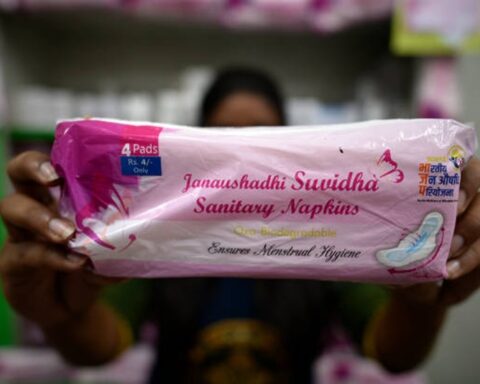
It found that 92.1 per cent women believed sanitary pads should be included in public washrooms as a basic necessity.
According to the findings, 94.4 per cent women questioned why menstrual hygiene was not treated with the same priority as facilities such as urinals and hand dryers in public washrooms. Another 86.4 per cent respondents felt that the lack of sanitary pads reflected a wider social discomfort around menstruation.
The survey found that sanitary pads ranked as the second most important washroom essential after handwash. About 34 per cent respondents prioritised sanitary pads, compared to 11 per cent for toilet paper and three per cent each for tissue paper and hand dryers.
Nearly 86 per cent women said the absence of sanitary pads impacts women’s dignity in public spaces, while 75.1 per cent reported facing situations where their periods began unexpectedly in public places without access to sanitary pads.
Many respondents associated such experiences with panic, anxiety, embarrassment and helplessness.
More than 87 per cent women said sanitary pads should be made available across all public places on priority, with schools emerging as the top preference. Around 81.3 per cent supported making availability of sanitary pads in public washrooms mandatory through law or policy.
The survey also referred to a recent Supreme Court judgment recognising menstrual health as a fundamental right and directing governments to provide free sanitary pads to girl students, preferably through vending machines installed within toilet premises.
Chirag Pan, CEO of PAN Healthcare, said, “These survey findings clearly show that women increasingly view menstrual hygiene access as an essential support linked to menstrual dignity, inclusion and equal participation in public life. From schools and colleges to airports and railway stations, access to sanitary pads can help women manage unexpected situations with greater comfort and confidence.” Hariom Tyagi, CEO of Wet and Dry Personal Care, the makers of Everteen and a PAN Health initiative, said, “Everteen has been conducting live awareness workshops in schools and colleges, educating thousands of girl students. We have also been installing sanitary pad vending machines at several educational institutions to help make menstrual hygiene accessible. We are committed to making conversations around menstrual health become more informed, practical and inclusive.”.
The survey further highlighted gaps in menstrual education, with 35.2 per cent women saying they had little or no knowledge about menstruation before their first period, while only 2.3 per cent discussed it with a teacher.