
Brisbane (Australia), Jun 25 (Conversation) Six months on from Australia’s under-16s social media ban taking effect, the early verdict from headlines and children themselves has been blunt: it isn’t working.
A new study published today in the British Medical Journal appears to add even more weight to this judgement.
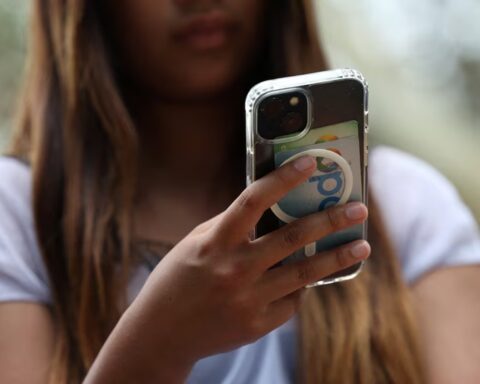
Led by University of Newcastle public health researcher Courtney Barnes, the study found very little evidence that kids had stopped accessing restricted social media platforms such as TikTok, X, Facebook and Instagram.
But the question “are children evading social media age checks?” might be the wrong one to ask when considering the long-term success of Australia’s world-first experiment.
Isolating the effect of the ban
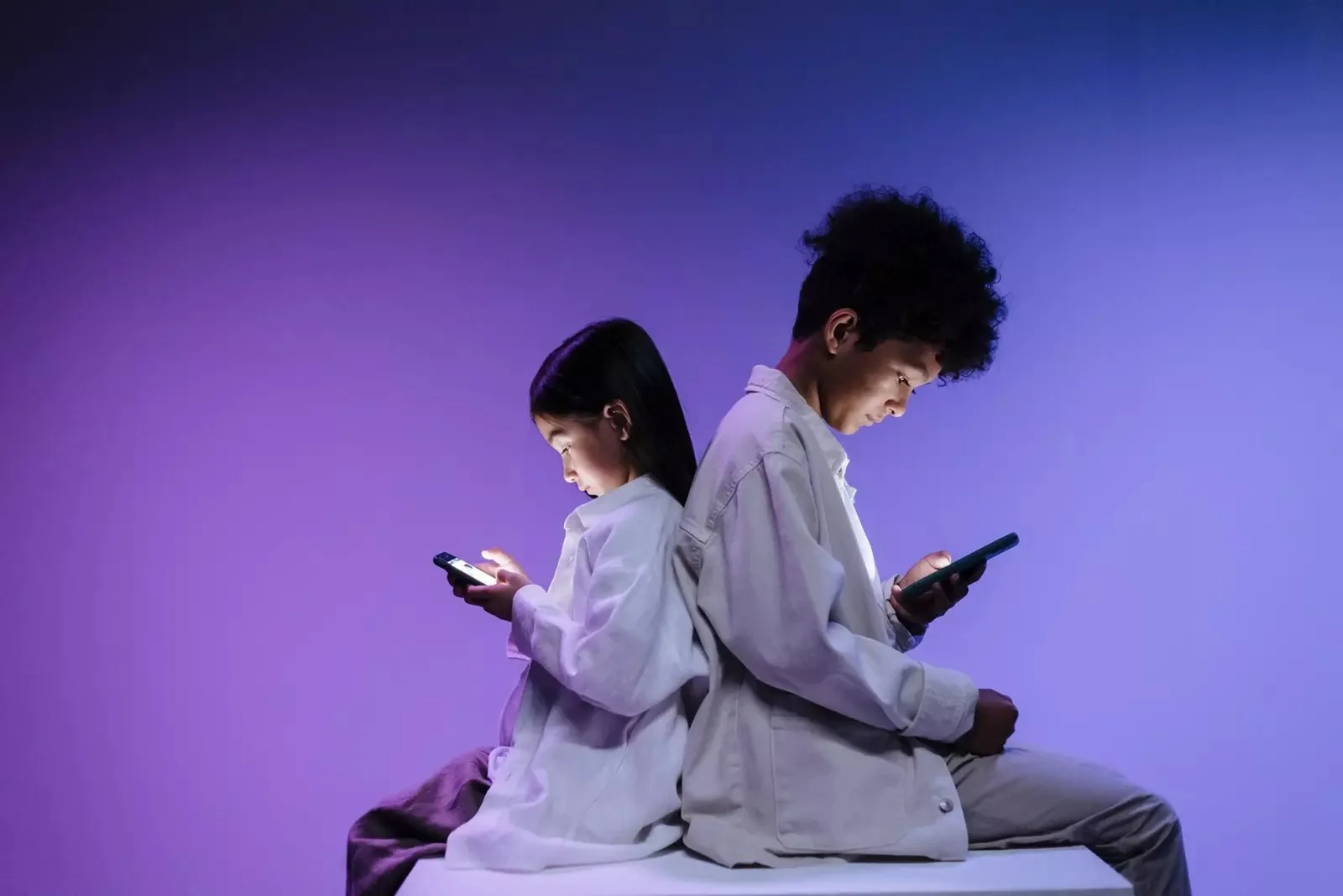
The team behind the new study followed 408 adolescents aged 12–16, surveying them just before the law took effect in December 2025 and again three months later. They compared teenagers just under the age cutoff with those just over it to isolate the law’s effect.
They found more than 85% of under-16s were still using restricted platforms at follow-up, mostly through their own accounts.
Two thirds had encountered age verification, but the most common form was simply being asked to state their age. A minority used fake accounts or private browsing to access social media. But VPN use to evade the ban was rare.
When the researchers checked whether under-16s used social media any less than the just-over-16s who were free to keep their accounts, they found no meaningful gap at the age cutoff.
The researchers were transparent about the study’s limitations. The analysis was underpowered (which means the study may not have had enough participants to detect an effect if one existed). The sample sizes either side of the cutoff were also small.
Nevertheless, these results square with recent research from the eSafety Commissioner that showed roughly 7 in 10 children kept their accounts after the law came into effect.
So, case closed, right? The ban is a failure? Not quite.
An unrealistic pipe dream
It was an unrealistic pipe dream that the ban would stop all of today’s under-16s from using social media overnight. All online technology comes with inherent capacities to be exploited or its features circumvented.
Instead, the ban enables the government to put pressure on social media companies to comply with their directives – to restrain and contain them with greater power than existed before.
The ban should be considered over a longer timeframe. Its logic is more aligned with another form of public health law: the generational approach now being applied to tobacco control.
Britain’s Tobacco and Vapes Act, which received royal assent in April 2026, bars anyone born on or after January 1 2009 from ever being sold tobacco.
The aim is not to make today’s smokers quit but to raise a generation for whom smoking never becomes normal. Australia’s social media law makes a similar bet: that if access is delayed long enough, social media might lose its grip on childhood the way cigarettes slowly did.
That is the measure that matters, and it’s a far slower and less certain test than counting how many teens still have Instagram six months after the ban took effect.
A benighted idea for future generations
Granted, there’s a catch to this framing.
Tobacco use has been denormalised with a public health approach for decades, and its supply has been squeezed from multiple directions: higher prices, plain packaging, advertising bans.
It’s hard to put pressure on social media use in the same way. Effectively, social media is “free”, practically infinite, and engineered to maximise engagement.
Shifting a generation’s social media norms this way only works if the pressure on platforms is relentless and sustained for years, not abandoned the moment the first headlines call it a failure.
My research into social media use and risk-taking found the same difficulties: norms are sticky. Social media rewards risky content and changes what is deemed as normal or acceptable. Changing norms like these overnight is unlikely.
But viewed in the long term, or even generationally, we can see how social media use for children may become a benighted idea for future generations.
Effects not clear for a decade
Naturally, laws that “ban” things often have unintended or even detrimental consequences. When mandatory bicycle helmet laws were introduced in Australia in the early 1990s, one result was that some people simply cycled less.
The new study in the British Medical Journal reflects this, with small numbers of young people turning to fake accounts, private browsing or messaging apps. Some may drift to less visible corners of the internet that are harder to watch than the mainstream platforms.
We shouldn’t take this to mean the ban is a failure. It means we are judging it on a timeline that does not fit its design.
The researchers make the point themselves: the greatest opportunity may lie with children under eight who have not yet started using social media, rather than teenagers whose habits are already set, whose norms are to use social media.
By their estimate, the full effects may not be clear for a decade.
Australia has volunteered to be the world’s test case, with other countries now following. To do the social media age restrictions justice, we should test the right thing.