

WHO (Community Oriented Programme for Control of Rheumatic Diseases) had presents findings from the largest-ever multi-site community survey covering more than 56,000 people across rural and urban India, which shows 195.29 million Indians or one in six suffer from arthritis-related pains, with women accounting for nearly two-thirds of the total burden. The study was recently published in the International Journal of Rheumatic Diseases (Mar 2025 online).
As per the research, arthritis pains emerged as the most common self-reported illness in Indian communities, surpassing diabetes and hypertension. The data indicated that over 54.44 million Indians live with osteoarthritis, often linked with obesity, diabetes, and hypertension, while 4.22 million suffer from rheumatoid arthritis (RA) a crippling condition that can lead to several systemic complications, severe disability and even premature heart attacks and death. Particularly concerning, over 1.17 million young women of reproductive age are estimated to be living with RA, a prevalence significantly higher than global averages.
The arthritis occurs when the protective cartilage on the ends of bones wears away, causing pain, swelling, and impaired movement.
Exercise is one of the mainstream treatments for knee osteoarthritis, with potential effects on relieving pain and improving the quality of life. Therapeutic exercise aims to increase lower limb muscle mass, neuromotor control, and joint range of motion.
These changes in turn lead to increased lower limb strength, minimising pain, and improving physical function. However, the large volume of data available in the literature makes the optimal type of exercise therapy for knee osteoarthritis difficult to determine.
Diagnosis
During the physical exam, healthcare professional checks your affected joint for tenderness, swelling and flexibility.
Imaging tests
- X-rays. Cartilage doesn’t show up on X-ray images, but cartilage loss is revealed by a narrowing of the space between the bones in your joint. An X-ray also can show bone spurs around a joint.
- Magnetic resonance imaging (MRI). An MRI uses radio waves and a strong magnetic field to produce detailed images of bone and soft tissues, including cartilage. An MRI isn’t commonly needed to diagnose osteoarthritis but can help provide more information in complex cases.
Lab tests
Analyzing blood or joint fluid can help confirm the diagnosis.
- Blood tests. Although there’s no blood test for osteoarthritis, certain tests can help rule out other causes of joint pain, such as rheumatoid arthritis.
- Joint fluid analysis. A needle might be used to draw fluid from an affected joint. The fluid is then tested to determine whether your pain is caused by an inflammatory arthritis, such as rheumatoid arthritis or gout, or an infection rather than osteoarthritis.
Treatment
Therapy
To get pictures of the affected joint, your healthcare professional might recommend:
The aerobic, flexibility, strengthening, mind-body, neuromotor and mixed exercise, effectiveness measures were knee pain, function, gait performance and overall quality of life. These were assessed at short term (four weeks), mid-term (12 weeks), and long term (24 weeks) follow up.
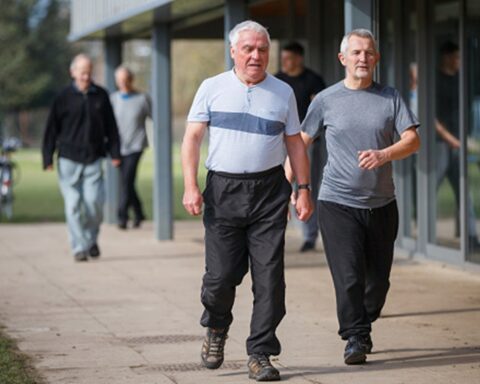
The review concluded that aerobic exercise such as cycling, swimming and walking consistently showed the highest probability of being the best treatment across all measures. It was beneficial in relieving short and mid-term pain, improving short term, mid-term, and long term function, and improving short and mid-term gait performance and quality of life.
So-called “mind-body exercise” such as yoga, tai chi and qigong saw a large increase in short term function. Neuromotor exercise such as squats and lunges resulted in a large increase in short term gait performance. Strengthening and mixed exercise appeared to provide a large increase in knee function in the medium term.
Osteoarthritis is a common chronic joint disease that results in considerable pain and disability in the global population, particularly older individuals. Global trends show that population ageing and rise in obesity rates will continue to drive substantial growth in the incidence, prevalence, and attributable disability rate of osteoarthritis for the foreseeable future.
The knee is the most common site of osteoarthritis, with nearly 30% of people older than 45 years showing radiological evidence of knee osteoarthritis, half of whom also have severe knee symptoms.
The pain caused by knee osteoarthritis can substantially affect an individual’s physical function and quality of life, creating a major public health problem worldwide.
Medicines
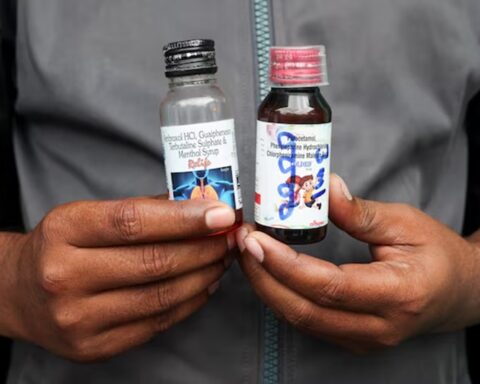
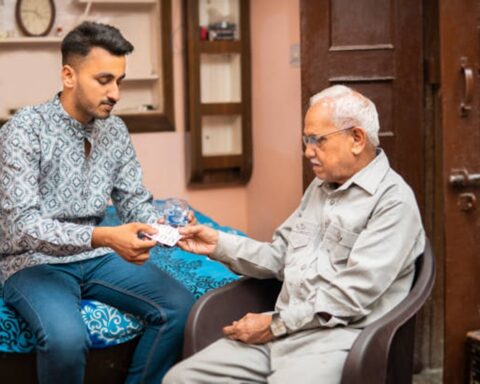
Medicines that can help relieve osteoarthritis pain symptoms include:
- Acetaminophen. Acetaminophen (Tylenol, others) has been shown to help some people with osteoarthritis who have mild to moderate pain. Taking more than the recommended dose of acetaminophen can cause liver damage.
-
Nonsteroidal anti-inflammatory drugs (NSAIDs). Common pain relievers, such as ibuprofen (Advil, Motrin IB, others) and naproxen sodium (Aleve), taken at the recommended doses, typically relieve osteoarthritis pain. Stronger NSAIDs are available by prescription.
NSAIDs can cause stomach upset, cardiovascular problems, bleeding problems, and liver and kidney damage. NSAIDs as gels, applied to the skin over the affected joint, have fewer side effects and may relieve pain just as well.
- Duloxetine (Cymbalta). Although typically used as an antidepressant, duloxetine also is approved to treat chronic pain, including osteoarthritis pain.
Surgical and other procedures
If conservative treatments don’t help, you might want to consider procedures such as:
- Cortisone injections. Injections of a corticosteroid into the joint might relieve pain for a few weeks. The number of cortisone injections you can receive each year is generally limited to three or four, because the medicine can worsen joint damage over time.
- Lubrication injections. Injections of hyaluronic acid might relieve pain by providing some cushioning in your knee, though some research suggests that these injections offer no more relief than a placebo. Hyaluronic acid is similar to a component typically found in joint fluid.
- Realigning bones. If osteoarthritis has damaged one side of your knee more than the other, an osteotomy might be helpful. In a knee osteotomy, a surgeon cuts across the bone either above or below the knee and removes or adds a wedge of bone. This shifts your body weight away from the worn-out part of your knee.
- Joint replacement. In joint replacement surgery, the surgeon removes the damaged joint surfaces and replaces them with plastic and metal parts. Surgical risks include infections and blood clots. Artificial joints can wear out or come loose and might need to be replaced.
Treatments absorbed through your skin
Pain medicines that go on the skin are called topical pain medicines. The medicine soaks through the skin. The most common types are creams or gels. You rub them onto the skin over painful joints. Some topical pain medicines come in patches that stick to the skin.
Because the medicine soaks through the skin, most topical pain products are best for joints that are close to the skin. These are the joints in hands and knees.
Topical nonsteroidal anti-inflammatory drugs
Nonsteroidal anti-inflammatory drugs are a common treatment for osteoarthritis. They are called NSAIDs for short. But the kind you take by mouth, called oral NSAIDs, can cause stomach upset and heart problems. Topical nonsteroidal anti-inflammatory drugs, however, have a lower risk of both.
Several topical products are made with a nonsteroidal anti-inflammatory drug called diclofenac. One example is Voltaren Arthritis Pain. These products treat osteoarthritis in joints that are close to the skin, such as the hands and knees. They were once available only by prescription. But now you can get them without a prescription.
Some studies show that many nonsteroidal anti-inflammatory creams and gels work as well as oral NSAIDs. For older people or those who can’t take this type of medicine by mouth, topical NSAIDs might be a good choice.
Topical nonsteroidal anti-inflammatory creams and gels can be used as needed or every day. They work best when combined with exercises prescribed by a healthcare professional. For knee osteoarthritis, weight loss also is important for anyone who’s overweight.
Capsaicin
Other topical treatments recommended for knee and hand osteoarthritis are those that have capsaicin (kap-SAY-ih-sin). Capsaicin causes the burning feeling that comes from chili peppers.
Examples include Capzasin-HP and Zostrix. Capsaicin blocks a chemical in the nerve cells that sends pain messages. Capsaicin works best when used several times a day. It might take up to two weeks to feel relief.
Other topical arthritis products
Many products for treating joint pain may come in a cream, gel, spray or patch. Other topical treatments you can get without a prescription include:
- Salicylates. Salicylates (suh-LIS-uh-lates) are what relieve pain in aspirin. Topical treatments with salicylates include Aspercreme and Bengay.
- Counterirritants. These make the skin feel hot or cold. Those feelings might block pain signals. Counterirritants might contain menthol or camphor. Examples include Icy Hot and Biofreeze.
- Anesthetics. Topical anesthetics such as lidocaine cause numbness. The numb feeling reduces pain. Examples include Salonpas and Topicaine.
How well do topical products work?
Many people say topical products help relieve their arthritis pain. But research doesn’t always show that they work well.
Compared with other products, topical nonsteroidal anti-inflammatory drugs have more studies that show they work and are safe. The other products only work a little better or no better than the controls, called placebos, that are used in studies. Capsaicin might work better when used with other treatments, such as oral nonsteroidal anti-inflammatory drugs.
Are they safe to use?
Putting capsaicin creams on the skin can make the skin burn or sting. But this might get better within a few weeks of daily use.
If you use a product with capsaicin, wash your hands well after each use. Don’t touch your eyes. You might need to wear latex gloves when putting on the cream.
Don’t use any topical pain relievers on broken or irritated skin. Don’t use them with a heating pad or bandage.
If you are allergic to aspirin or take blood thinners, talk with a member of your healthcare team before using topical medicines with salicylates.
I have also osteoarthritis, but at least facing the right direction, according to the above guidelines.